Quick Navigation
- Why Higgins Lake Stands Apart
- North Higgins Lake State Park
- South Higgins Lake State Park
- The Sandbar: Higgins Lake's Float-Up Tradition
- Fishing, Paddling & Life on the Water
- What Else to Do Around Higgins Lake
- Where to Stay Near Higgins Lake
- Find your Higgins Lake cabin
- Frequently Asked Questions
- Is Higgins Lake swimmable?
- How deep is Higgins Lake, Michigan?
- Which is better, North or South Higgins Lake State Park?
- Does Higgins Lake have a sandbar?
- What is there to do around Higgins Lake?
- Is Higgins Lake a public lake?
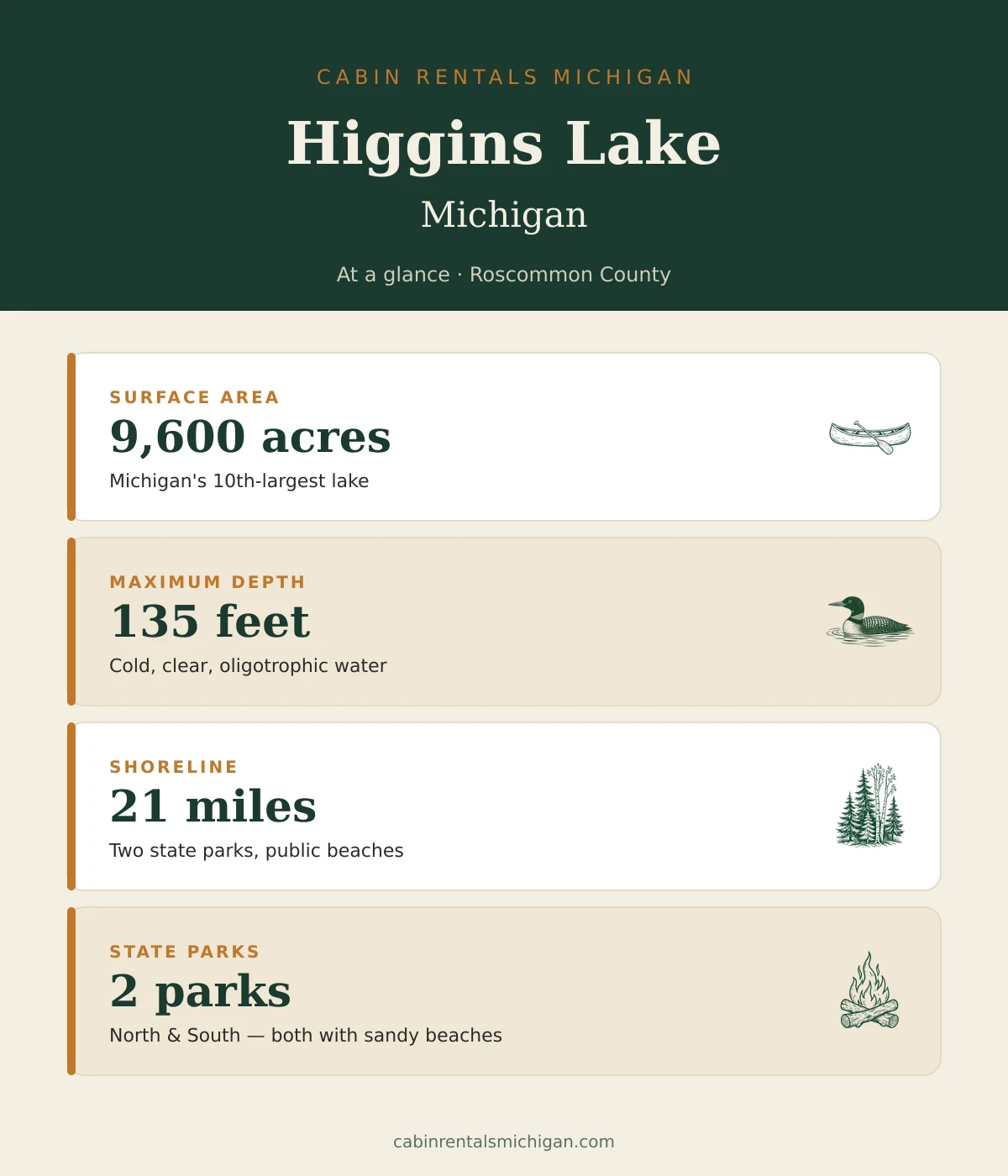
Higgins Lake Michigan earns its reputation without effort. The water is the color of sea glass on a clear morning, the sandy bottom stays visible at depths that humble other Michigan lakes, and two state parks wrap the shoreline in mature pine forest. At 9,600 acres with a maximum depth of 135 feet, it is Michigan's tenth-largest lake and one of its most loved, drawing swimmers, anglers, paddlers, and cabin-goers every summer. This guide covers what makes it worth the drive, how to spend your days, and where to stay when you go.
Why Higgins Lake Stands Apart
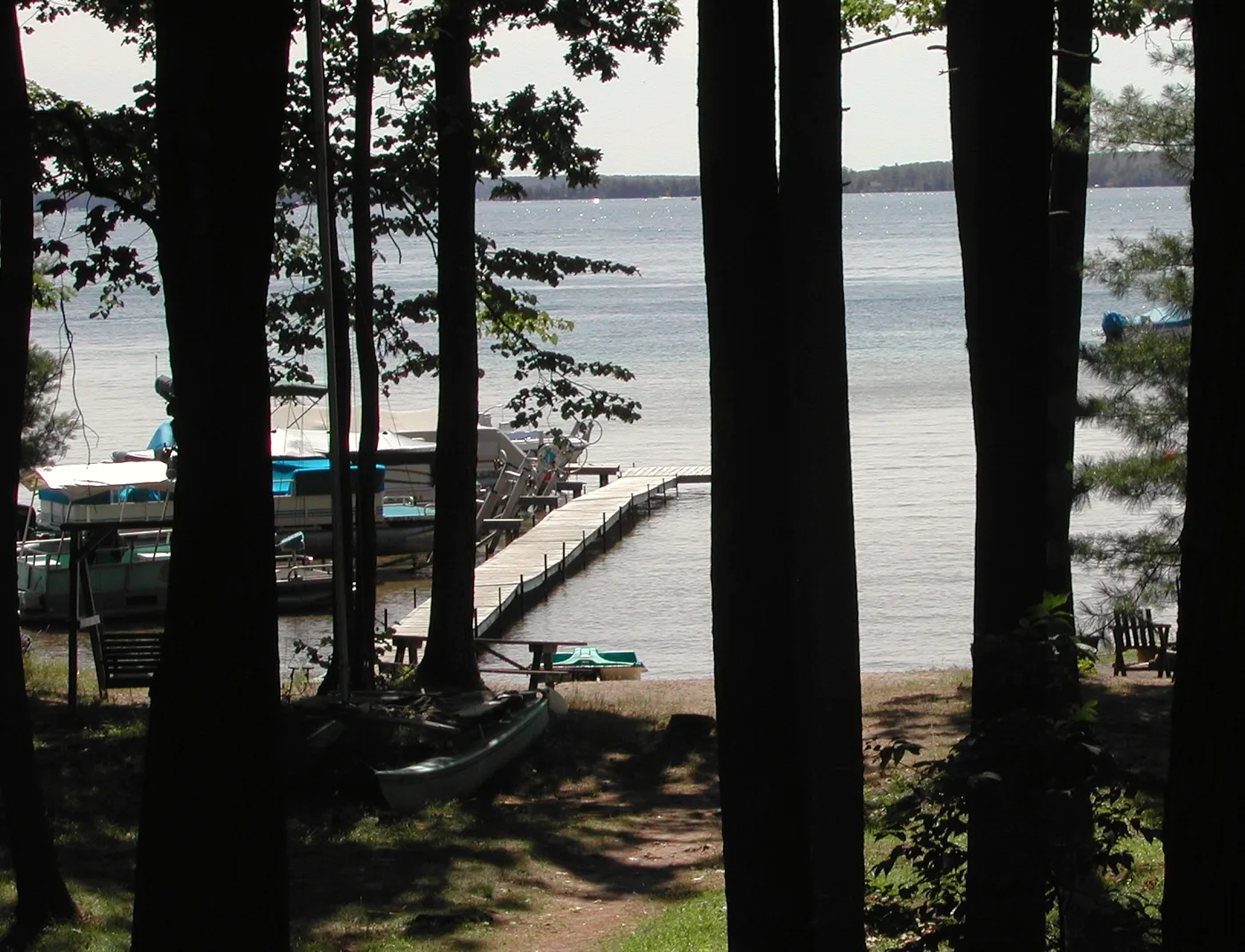
Most Michigan lakes are pleasant. Higgins Lake is in a different conversation. The lake is oligotrophic, meaning it is naturally low in nutrients, which keeps algae in check and the water startlingly clear. Sunlight reaches the sandy bottom well below the surface, giving the water a blue-green tint you normally associate with coastal travel, not the northern Lower Peninsula.
The lake spans 7 miles by 4 miles with a 21-mile shoreline, and the depth stays substantial even reasonably close to shore, which makes for good swimming without the mucky shallows that frustrate you on smaller lakes. It sits in Roscommon County, making it a well-placed base for exploring the greater Up North lake corridor. For a broader picture of Michigan's finest inland water, the guide to the best inland lakes in Northern Michigan puts Higgins alongside the others worth knowing.
Higgins Lake is named for Sylvester Higgins, a 19th-century Michigan surveyor who worked on an 1852 government land survey of the region. The lake he lent his name to went on to become one of the state's most celebrated destinations.
North Higgins Lake State Park
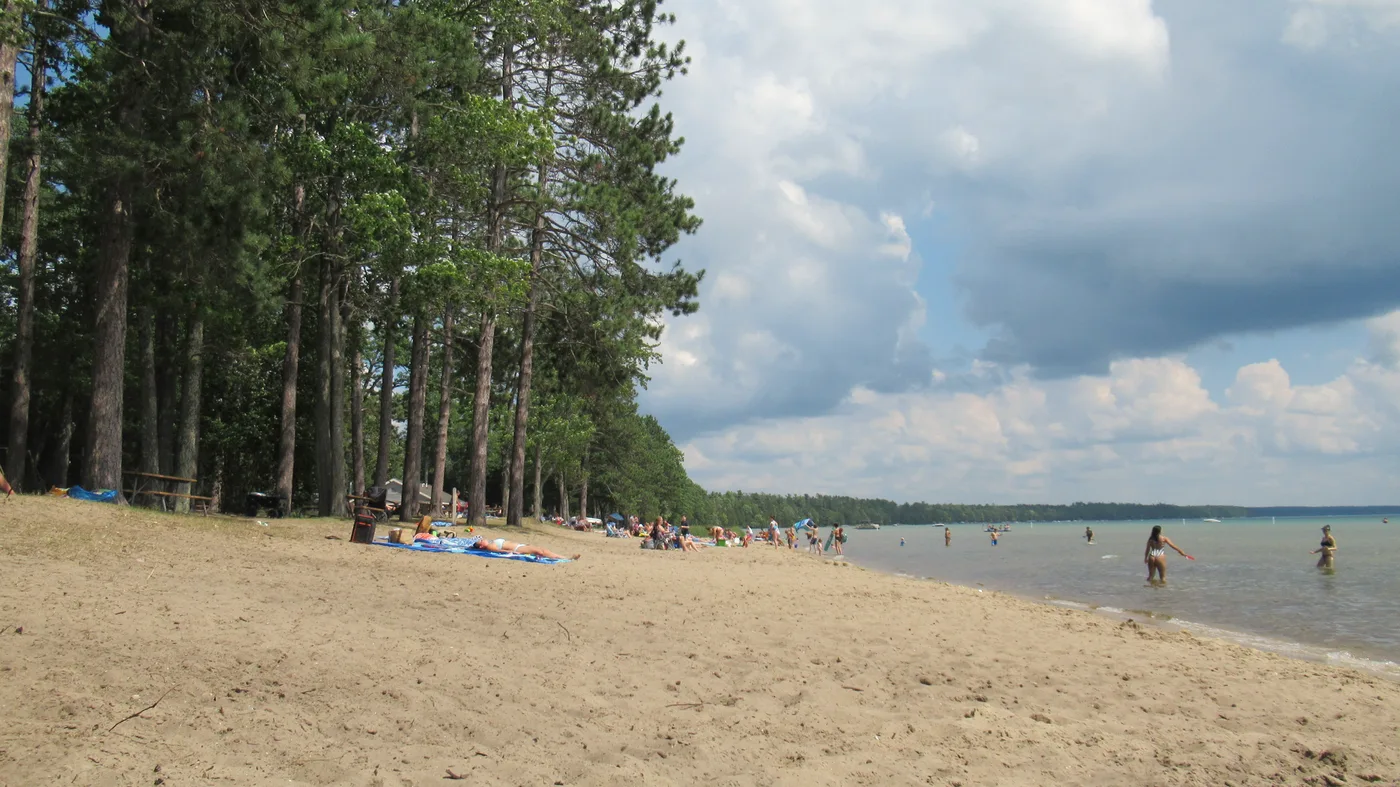
North Higgins Lake State Park occupies the northern shore and carries a history that sets it apart from a typical beach park. The site was once the largest seedling nursery in the world, operated by the Civilian Conservation Corps in the 1930s to replant Michigan's logged-over forest lands. A small on-site museum tells that story, and the pine-forested grounds still carry the quiet character the corps left behind.
For visitors today, North Higgins Lake State Park means a well-maintained sandy beach, calm water suited to young swimmers, a boat launch, and campgrounds with both modern and rustic sites. Weekends in July fill quickly, so arriving early pays off. A Michigan Recreation Passport is required for vehicle entry.
Best for: Families with children, campers who want a forested setting, and anyone curious about the CCC history on site.
South Higgins Lake State Park
South Higgins Lake State Park is the larger and older of the two parks, with more developed campground facilities and a longer beach stretch along the southern shore. It has a concession stand in season, a playground, and a boat launch with good ramp access to the deeper water in the center of the lake. The overall feel is busier and more social than the north park.
The two parks sit on opposite ends of the lake, separated by about 7 miles of road, so deciding your priorities before booking a campsite is worth a few minutes. South suits those wanting full facilities and more activity; North suits those preferring a quieter, more forested stay. Both have genuine sandy beaches and clean water.
If you are staying at a cabin in Roscommon rather than camping, you can visit both parks in the same day. North in the morning for the cooler, quieter beach; south in the afternoon for the more social scene. A single day-pass covers both visits if you keep your receipt.
The Sandbar: Higgins Lake's Float-Up Tradition
Higgins Lake has a sandbar that has become a summer institution. On warm weekends, boaters converge there, tie up in the shallows, and spend the afternoon floating, wading, and visiting. It is waist-deep in most spots, making it safe for young children to wade in while adults relax in the water or on the boat.
The sandbar shifts slightly from season to season and is not marked on any official map. Everyone in Roscommon County knows where it is, though. Ask your cabin host, a local bait shop, or a marina attendant for the current location when you arrive.
Fishing, Paddling & Life on the Water
Higgins Lake supports a solid sport fishery. Yellow perch, trout, smelt, and northern pike are the main species. Trout fishing is the draw for serious anglers: the depth and cold, clear water create conditions that approach natural trout habitat found further north. Ice fishing in winter is equally popular, drawing dedicated shanty-dwellers from across the region.
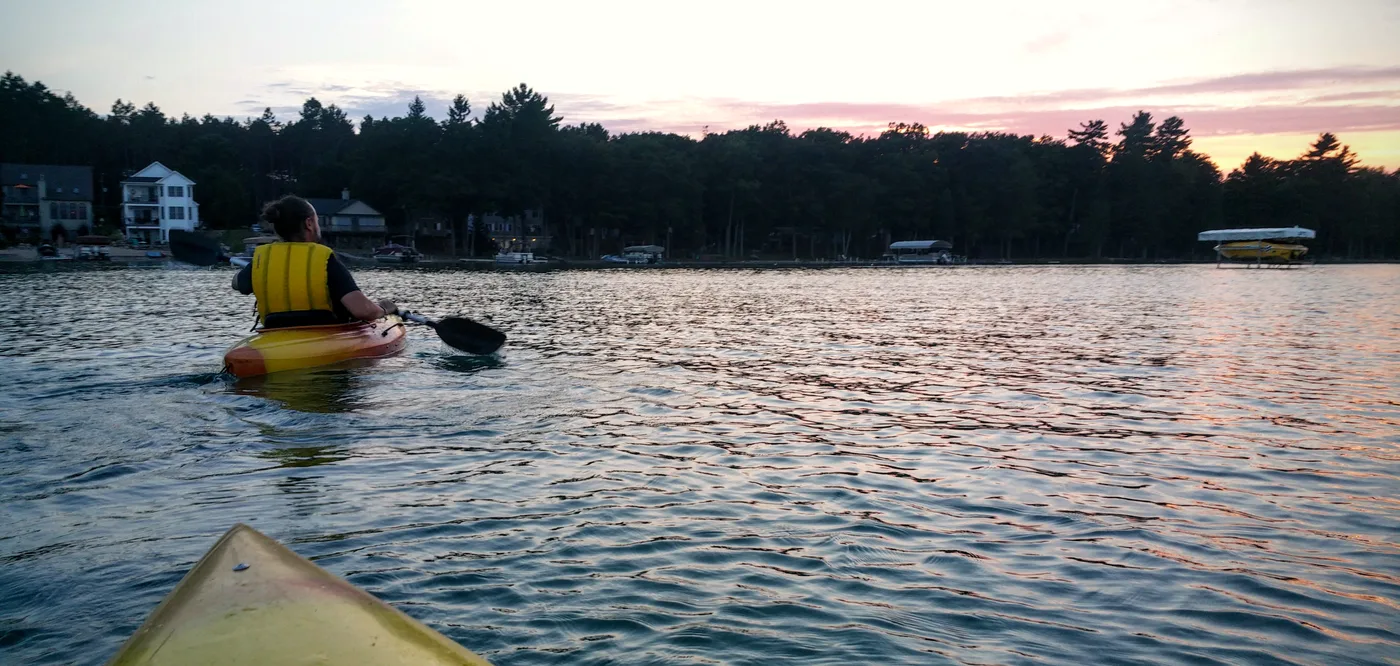
Paddlers can cover real distance here. The lake is large enough to trace its full perimeter by kayak or canoe, and mornings before the afternoon breeze builds are ideal for flat-water paddling. Rentals are available from outfitters in the Roscommon area.
The broader Roscommon County lake cluster rewards longer stays. Nearby Houghton Lake, about 15 minutes south, is Michigan's largest inland lake and offers a complementary experience: busier, shallower, with more lakeside dining and a commercial strip for those who want a change of scene for an afternoon.
What Else to Do Around Higgins Lake
Roscommon, the county seat, is a short drive from either state park and has the essentials covered: grocery stores, gas stations, bait shops, and a few diners with a straightforward Up North character. It is a town built around people who come for the lake, and it feels exactly like that.
A few day-trip destinations round out a longer stay:
- Hartwick Pines State Park — about 20 miles east near Grayling, it contains one of the last stands of old-growth virgin white pine remaining in the Lower Peninsula, with a logging museum and a trail through forest that pre-dates European settlement.
- The North Central State Trail — a paved rail-trail running about 75 miles to Mackinaw City, with trailhead access points near Gaylord about 40 minutes north. It draws cyclists, skaters, and hikers through rolling northern Michigan terrain.
- Grayling — about 20 miles east, anchoring the Au Sable River. Michigan's most celebrated fly-fishing river has canoe liveries for float trips ranging from a few hours to a multi-day camping paddle.
Higgins Lake sits at the heart of Michigan's inland lake belt. If your trip extends further Up North, our lakes and beaches guides cover the broader region, from Torch Lake's turquoise bays to the Lake Michigan shoreline.
Where to Stay Near Higgins Lake
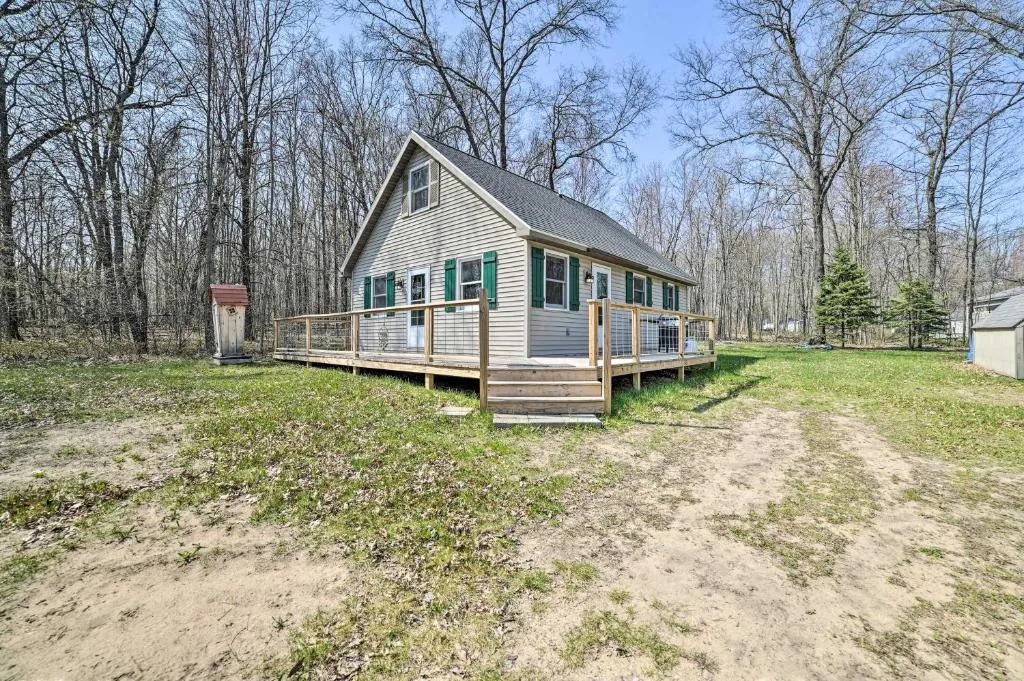
Staying near Higgins Lake means a cabin or chalet in or around Roscommon — a quieter, more genuine Up North base than Traverse City. You are here for the lake, the pines, and the kind of stillness that only shows up somewhere the nearest traffic light is a genuine surprise.
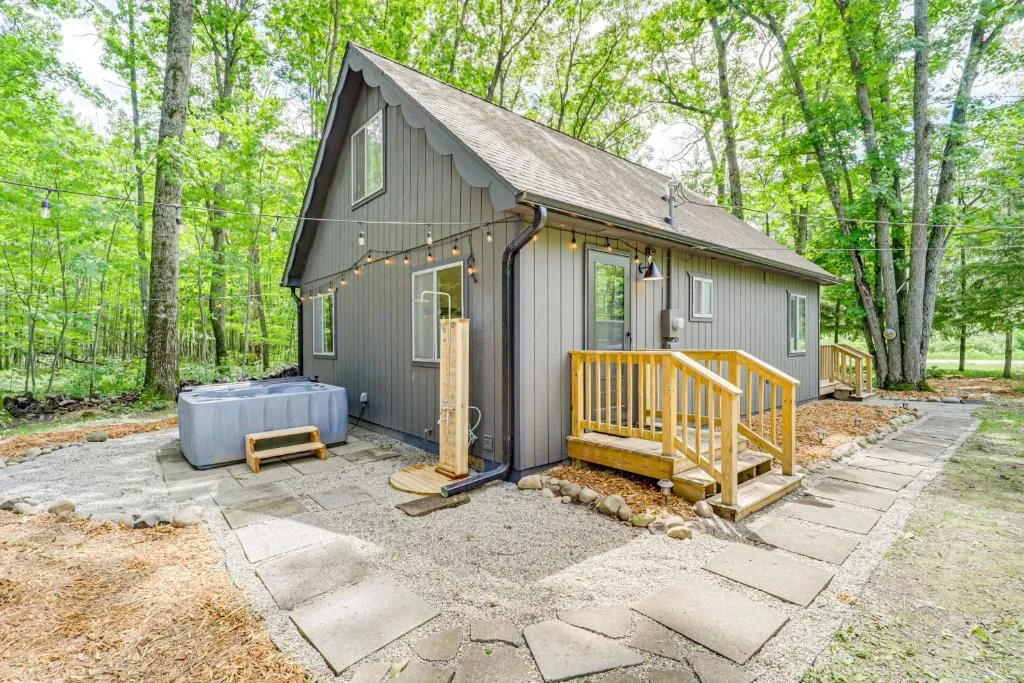
Find your Higgins Lake cabin
Browse the full list of verified cabins and chalets near Higgins Lake, each deep-linked to live availability on Booking.com.
Browse Higgins Lake cabin rentalsFrequently Asked Questions
Is Higgins Lake swimmable?
Yes. Higgins Lake is widely regarded as one of Michigan's best swimming lakes. The water is clear and the bottom is sandy, and both state parks maintain clean beach areas with calm, swimmable conditions suited to all ages.
How deep is Higgins Lake, Michigan?
Higgins Lake reaches a maximum depth of 135 feet, with an average depth of 44 feet. That depth supports cold, well-oxygenated water ideal for trout and refreshingly cool for swimmers even in midsummer.
Which is better, North or South Higgins Lake State Park?
North Higgins Lake State Park is quieter, more forested, and carries the CCC nursery history. South Higgins Lake State Park is larger, more developed, and has more on-site amenities including a concession stand. Both have excellent sandy beaches. Choose North for peace and history; choose South for facilities and a livelier scene.
Does Higgins Lake have a sandbar?
Yes. Higgins Lake has a well-known sandbar that serves as a popular float-up gathering spot on summer weekends. It sits in shallow water and is suitable for families with young children. Ask a local or your cabin host for its current location on arrival.
What is there to do around Higgins Lake?
Swimming, fishing for trout and perch, kayaking, paddleboarding, and boating are the main draws on the water. Off the lake, Hartwick Pines State Park (20 miles east) offers old-growth forest walks, Grayling anchors Au Sable River canoe trips, and Houghton Lake (15 minutes south) provides a busier alternative lake scene for a day trip.
Is Higgins Lake a public lake?
Yes. Higgins Lake is a public lake. The water surface is open to boating, swimming, and fishing. North and South Higgins Lake State Parks both provide public beach and boat launch access with a valid Michigan Recreation Passport or day pass.