

Quick Navigation
- Lake Huron's Sunrise Shore
- Paddling the Au Sable River
- The River Road Scenic Byway
- Wurtsmith Air Museum
- Huron National Forest Trails
- Where to Stay Near Oscoda
- Ready to book your Oscoda stay
- Frequently Asked Questions
- What is Oscoda, Michigan known for?
- Where is the Sunrise Coast?
- Is there an air force base in Oscoda, Michigan?
- Is it okay to swim in Lake Huron near Oscoda?
- What is special about Lake Huron?
- Is Lake Huron cleaner than Lake Michigan?
This guide contains affiliate links. If you book through our Booking.com links, we may earn a small commission at no extra cost to you. We only feature properties we'd happily recommend.
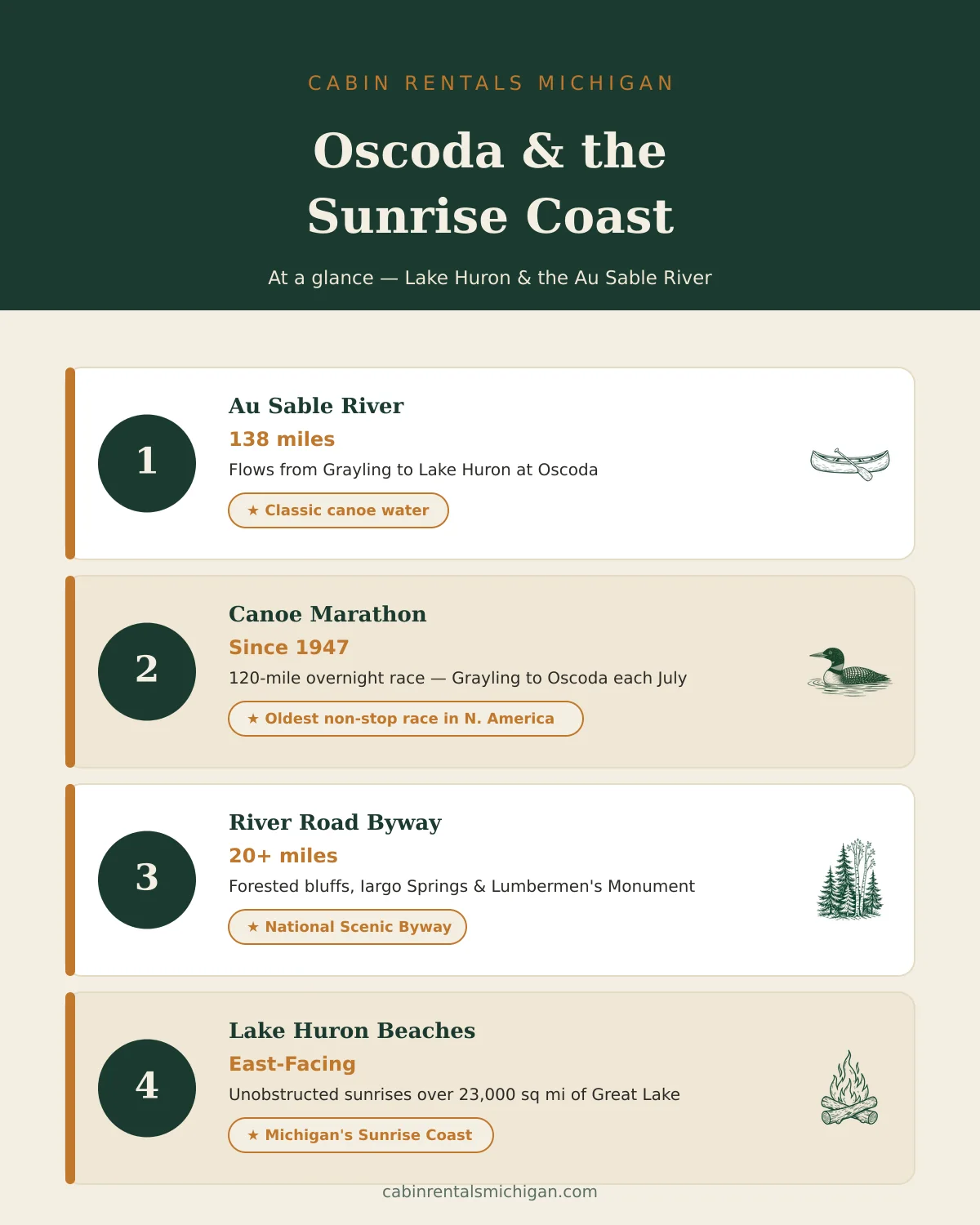
When people talk about Michigan's most scenic stretches of shoreline, they usually mention Sleeping Bear Dunes or the Traverse City bay. But tucked along the eastern Lower Peninsula, Oscoda quietly delivers one of the best lake-and-river combinations in the state. If you're looking for things to do in Oscoda, you'll find paddling the Au Sable River, driving the forested River Road Scenic Byway, and catching genuine Great Lakes sunrises over Lake Huron's open water. It's the kind of place that regulars discover once and return to every summer.
Oscoda sits at the mouth of the Au Sable River on Michigan's Sunrise Coast, a stretch of Lake Huron shoreline named for its unobstructed east-facing views. The town is small, the pace is relaxed, and the outdoor opportunities are outsized for a community of its size.
Lake Huron's Sunrise Shore
The Au Sable River empties into Lake Huron right at Oscoda, creating a broad sandy beach at the river mouth. North of the outlet, a long public beach runs parallel to US-23, with calm, relatively shallow water that warms nicely by midsummer. Lake Huron doesn't carry the wave action of Lake Michigan, so the swimming is generally gentle, and the wide sandy bottom is easy on feet.
The real draw here is the light. Because the shore faces due east, summer sunrises are spectacular: the sun climbs straight out of the water, turning the horizon shades of amber and coral before the day properly begins. Bring a camp chair and coffee to the water's edge on a clear morning and you'll understand why this stretch of Michigan is called the Sunrise Coast.
Fishing from the public pier near the Au Sable mouth is a local tradition. Lake trout, steelhead, and salmon run through this corridor seasonally, and the pier gives anglers easy access without a boat. Charter fishing services operate out of nearby Oscoda Township Marina if you'd prefer to head further offshore.
Paddling the Au Sable River
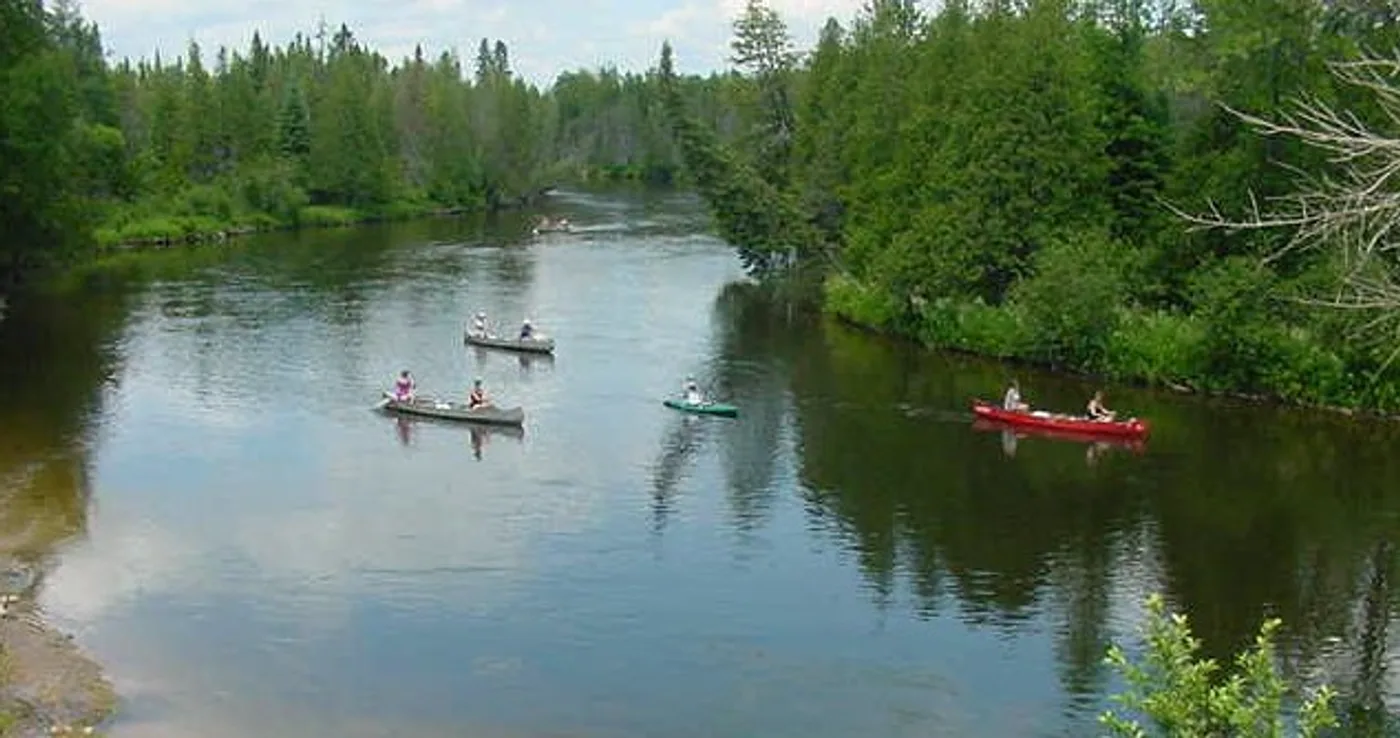
For many visitors, paddling the Au Sable River is the main event. The lower river section near Oscoda is wide, calm, and tree-lined, with a gentle current that makes it approachable for paddlers of all experience levels. You don't have to commit to the full marathon route: most liveries offer two-to-six-hour half-day trips that put you on the water for the best stretches without requiring an overnight commitment.
The river flows between high bluffs covered in white birch and jack pine, with sandy banks that invite lunch stops. In the morning hours, mist often sits on the water, and herons and kingfishers work the shallows. The lower Au Sable is genuinely one of the prettiest paddling rivers in the Midwest, and it rarely feels crowded outside of the marathon weekend in July.
Several outfitters near Oscoda offer canoe, kayak, and tube rentals with shuttle service. Most run from late May through early October. Book ahead on summer weekends.
The River Road Scenic Byway
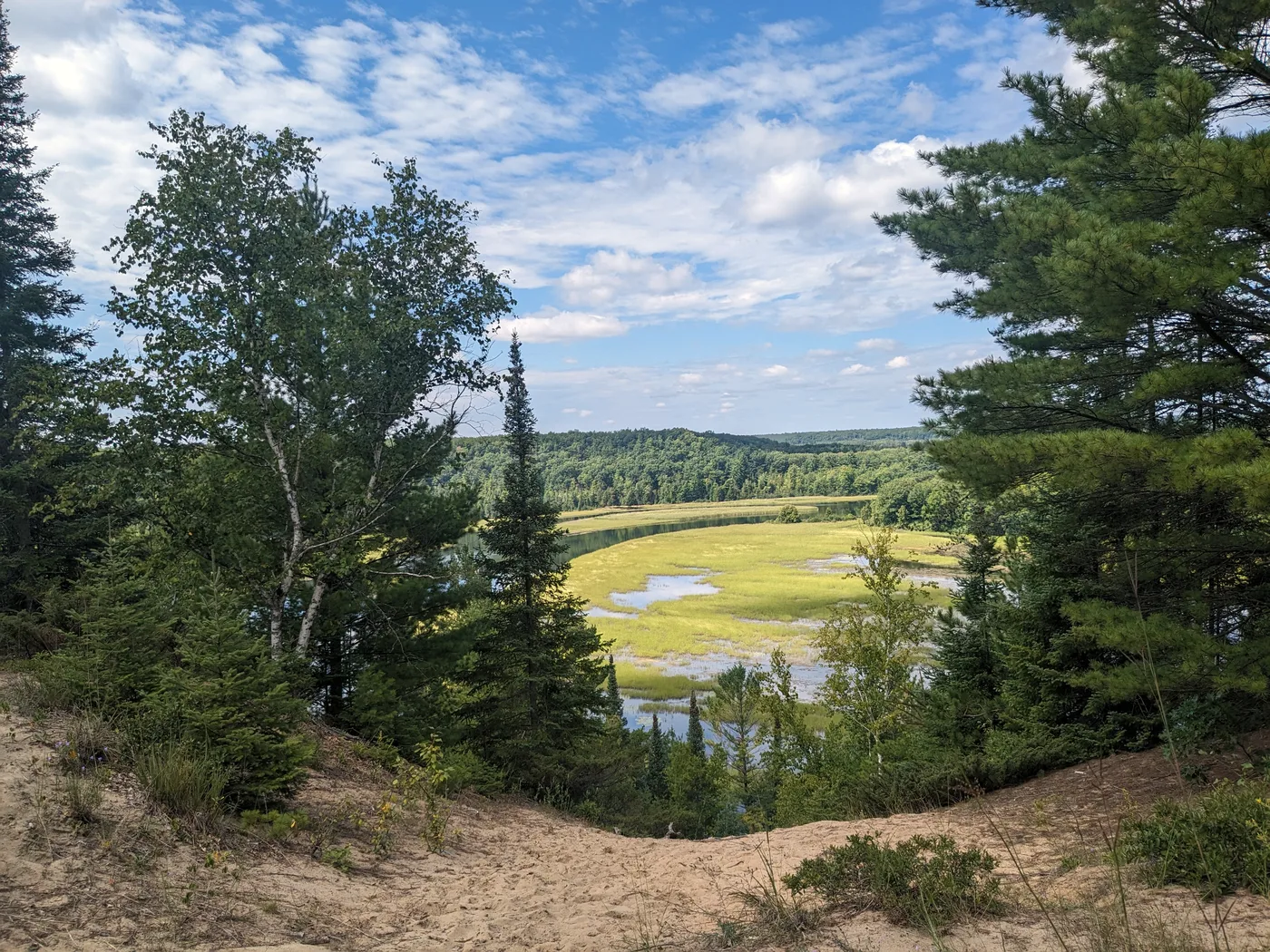
Running more than 20 miles along the south bank of the Au Sable River from Oscoda west toward Mio, River Road (also designated the Oscoda River Road National Scenic Byway) is one of Michigan's classic drives. The road hugs river bluffs covered in old-growth pines, rising high above the water with periodic pull-offs that deliver sweeping views.
The route's centerpiece is Lumbermen's Monument, a large bronze statue commemorating the loggers who cleared Michigan's forests in the late 1800s. The adjacent overlook platform extends over the bluffs with a view of the river valley below. A short interpretive trail tells the story of the logging era that shaped the region. The Visitor Center is run by the US Forest Service and is open seasonally.
A few miles further west, Iargo Springs is worth a stop. A series of wooden staircases and boardwalks descend the bluff face to a cluster of springs that feed into the river. The springs are cold year-round, the ferns are lush, and the whole setting has a tucked-away, discovered feel. The round-trip hike down and back up takes about 20 minutes.
Rollways Day Use Area offers a sandy beach along the river where families can swim, picnic, and launch canoes. It's a good midpoint stop on the River Road drive.
Wurtsmith Air Museum
Wurtsmith Air Force Base operated from 1923 until its closure in 1993. The base is now largely redeveloped, but the Wurtsmith Air Museum preserves its Cold War aviation history. The outdoor display includes fighters, bombers, and support aircraft spanning several decades of American military aviation. Admission is $7 for adults, $3 for youth ages 5–11, and free for children under 5 and active military. The display is accessible on a self-guided basis.
The museum is open Friday through Sunday, 11 a.m. to 3 p.m., from mid-May through late September. It relies on volunteer staff, so it's worth checking their website before making it a primary destination. For aviation enthusiasts, the collection in a quiet small-town setting is genuinely worth a stop.
Huron National Forest Trails
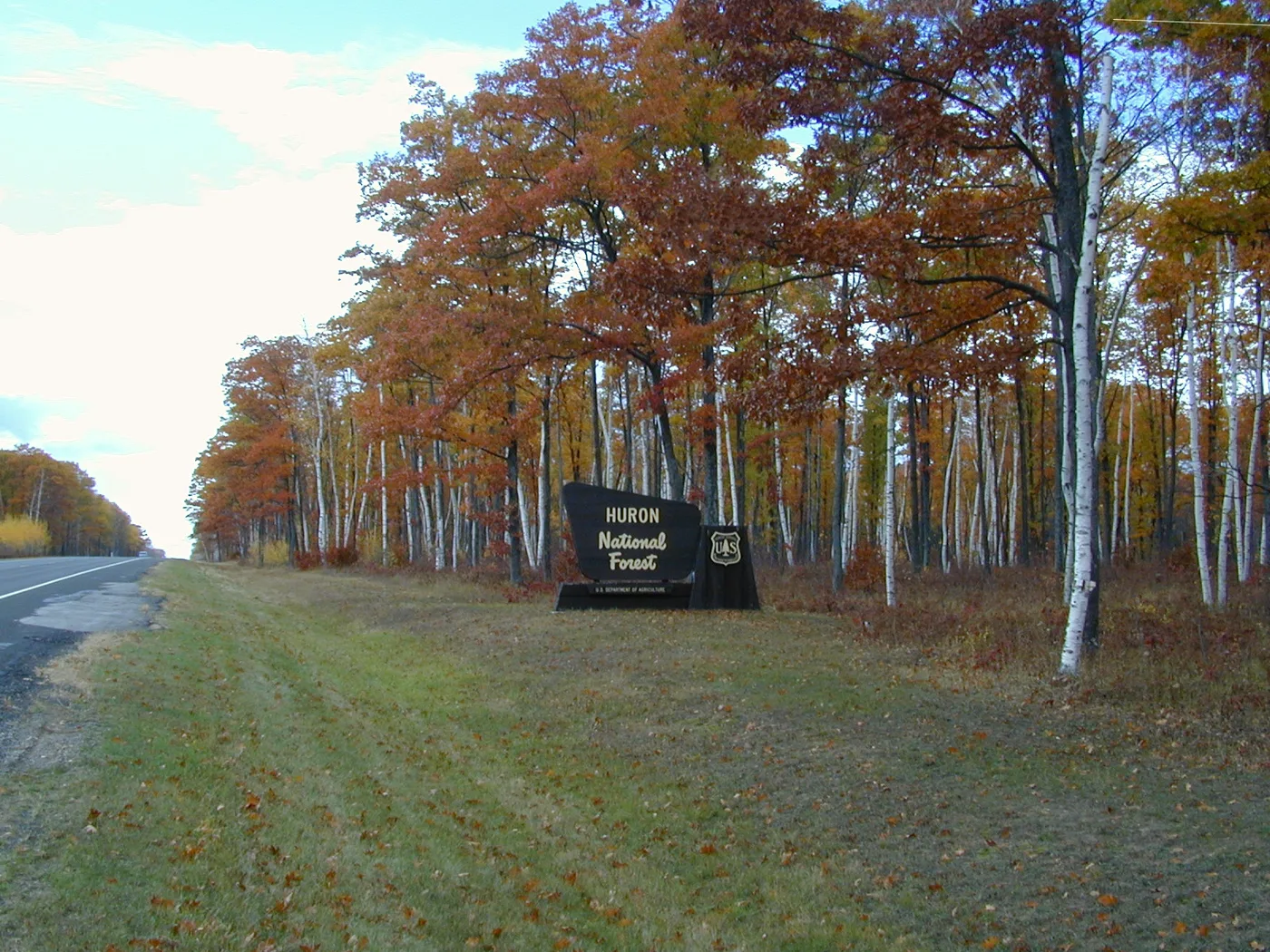
Oscoda sits at the edge of the Huron National Forest, which covers more than 400,000 acres of northern Lower Michigan. This is working forest country: jack pine plantations managed for wildlife (including the Kirtland's warbler, downlisted from endangered to threatened in 2019 after recovery efforts in this very forest), oak and pine uplands, and river corridors.
The Highbanks Trail is the star hike in this area. The trail runs 7 miles along the bluffs above the Au Sable, offering elevated views of the river and forest below. The terrain is moderate, with enough elevation change to be interesting. Shorter out-and-back options work for families with younger children. Trailheads are accessible from River Road.
The Jack Pine Wildlife Viewing Tour is a self-guided car tour through the managed jack pine areas, designed for spotting Kirtland's warblers in late May and June. The warbler is one of Michigan's rarest breeding birds, and the Huron National Forest is one of the few places in the world where it nests. A guided tour option runs during peak nesting season.
For those interested in hunting, fishing, or dispersed camping in the national forest, Oscoda is a natural base camp. Forest Service campgrounds along River Road provide no-frills access to the river corridor.
Where to Stay Near Oscoda
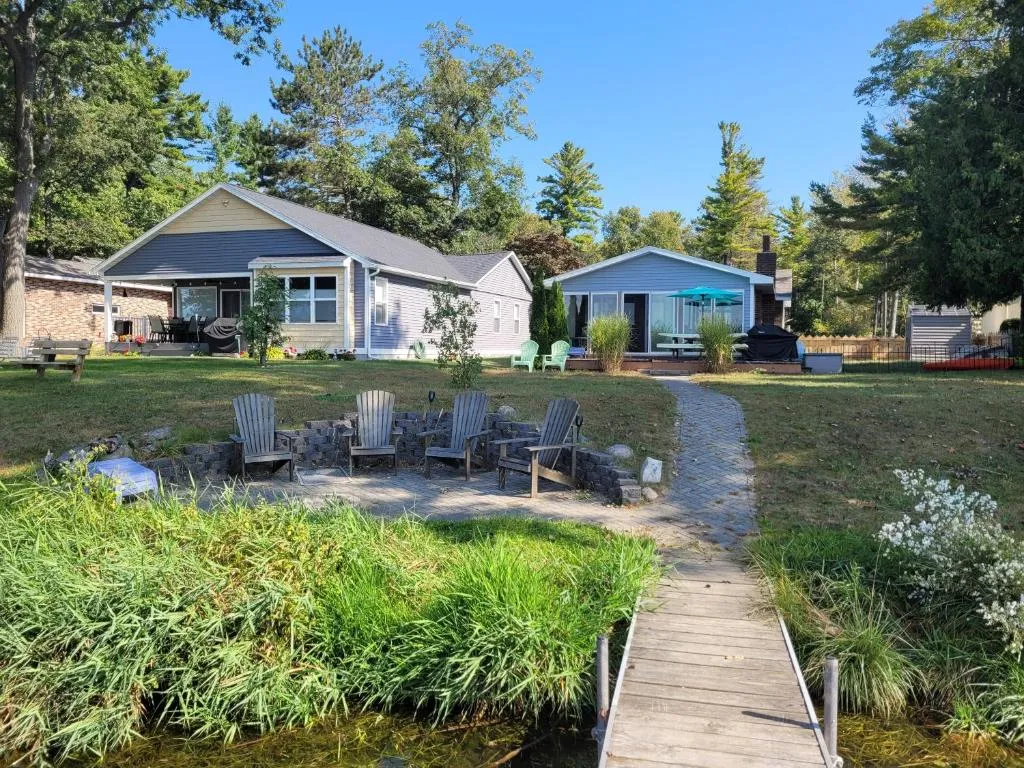
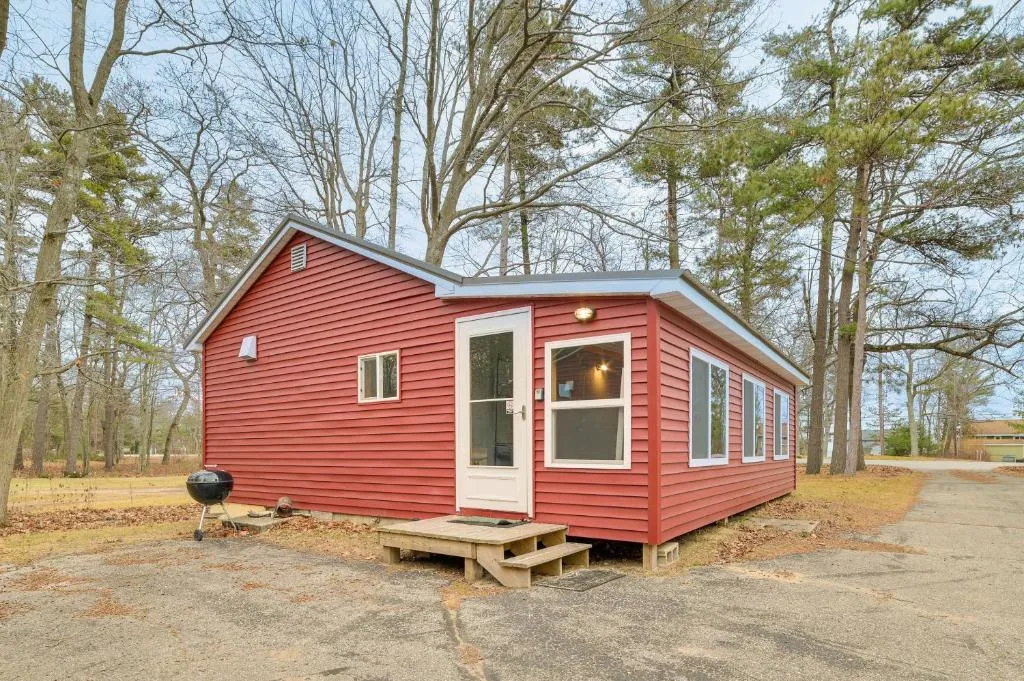
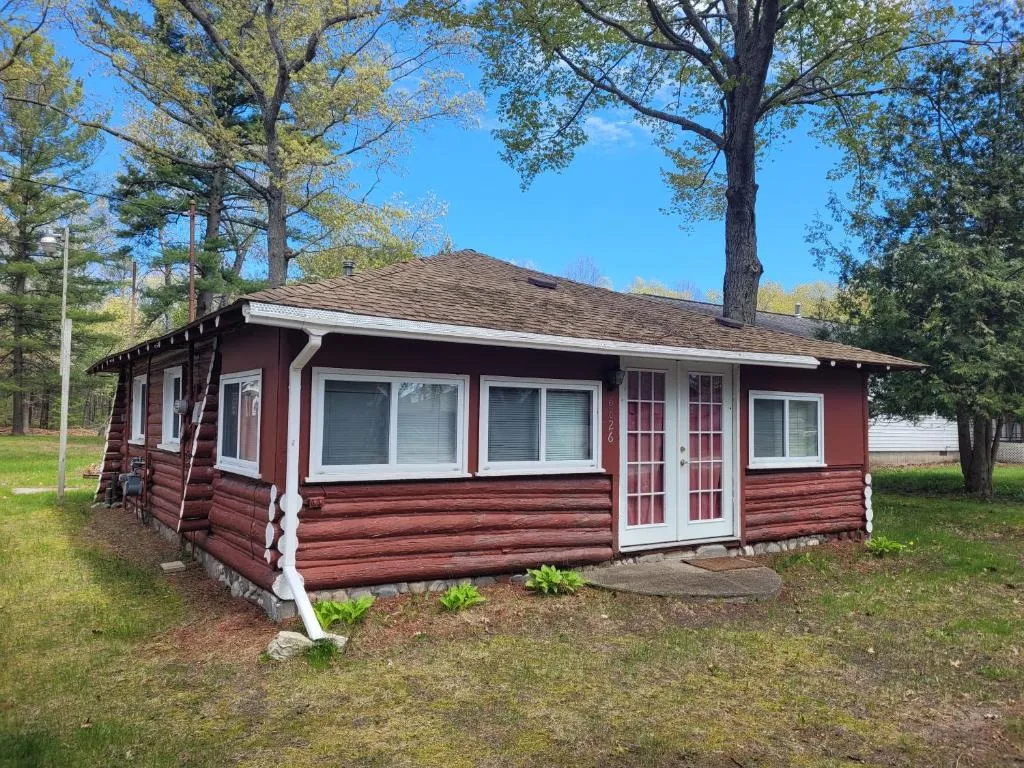
Oscoda offers a focused, well-rated cabin selection through Oscoda cabin rentals. The three properties below represent the top-rated options near the river and Lake Huron, sorted by guest score.
Ready to book your Oscoda stay
Browse all available cabins, cottages, and lakefront rentals in the Oscoda area and check live availability.
View Oscoda cabin rentalsBrowse our Up North town guides to explore more Michigan destinations, from Traverse City and Glen Arbor to Gaylord and Indian River.
Frequently Asked Questions
What is Oscoda, Michigan known for?
Oscoda is known for its location where the Au Sable River meets Lake Huron on Michigan's Sunrise Coast. The town is a hub for river paddling, the River Road Scenic Byway, the Wurtsmith Air Museum, and access to Huron National Forest trails.
Where is the Sunrise Coast?
Michigan's Sunrise Coast is the eastern shoreline of the Lower Peninsula along Lake Huron, stretching roughly from Standish north through Oscoda to Alpena. The name refers to the east-facing beaches that offer unobstructed views of sunrise over the lake each morning.
Is there an air force base in Oscoda, Michigan?
Wurtsmith Air Force Base operated in Oscoda from 1923 to 1993. The site is now largely redeveloped, but the Wurtsmith Air Museum preserves its Cold War aviation history with an outdoor display of fighters, bombers, and support aircraft. Admission is $7 for adults; the museum is open Friday–Sunday from mid-May through late September.
Is it okay to swim in Lake Huron near Oscoda?
Yes. The beaches near the Au Sable River mouth are sandy and safe for swimming in summer. Lake Huron doesn't have the wave exposure of Lake Michigan, so conditions are generally calmer. Water temperatures peak in July and August, reaching the mid-60s to low 70s Fahrenheit.
What is special about Lake Huron?
Lake Huron is the second-largest of the Great Lakes by surface area, covering more than 23,000 square miles. It's known for its clear water, its collection of island parks (including Mackinac Island and Bois Blanc Island), and the unspoiled stretches of the Sunrise Coast along its Michigan shore.
Is Lake Huron cleaner than Lake Michigan?
Both lakes are monitored closely and have seen significant water quality improvements since the 1970s. Lake Huron generally has excellent water clarity, particularly on the Michigan side away from industrial ports. Oscoda-area beaches consistently earn clean-water ratings from state environmental monitoring.
- River Road Scenic Byway & Huron National Forest — USDA Forest Service, Huron-Manistee National Forest
- Kirtland's Warbler recovery — U.S. Fish & Wildlife Service
- Wurtsmith Air Museum — WurtsmithAirMuseum.net
- Au Sable River Canoe Marathon — AuSableCanoeMarathon.org