Quick Navigation
- Where the Au Sable runs
- Fishing the lower river and Foote Dam
- The river mouth at Oscoda
- The Holy Waters: fly fishing above Grayling
- Mio Pond and the Trophy Waters
- Au Sable fishing by season
- Licenses, gear and regulations
- Where to stay: Oscoda riverside cabins
- Find your Au Sable fishing base
- Au Sable River fishing FAQ
- Where is the best place to fish on the Au Sable River?
- What fish are in the Au Sable River?
- Is the Au Sable River fly fishing only?
- Are there salmon in the Au Sable River?
- What time of year is best for salmon fishing in Michigan?
- How do you fish the Au Sable River?
Cabin Rentals Michigan is reader-supported. Some links on this page go to Booking.com, and we may earn a commission when you book — at no extra cost to you. We only point you toward stays we'd be happy to book ourselves.
Au Sable River fishing is the kind of thing anglers plan whole trips around, and for good reason. This is one of the most storied trout and salmon rivers in the eastern United States, running clear and cold across northern Lower Michigan from the springs near Grayling all the way to Lake Huron at Oscoda. Whether you swing flies for trout in the famous upper water, drift for fall salmon below Foote Dam, or work the river mouth where Great Lakes fish push in, the Au Sable rewards you for knowing where and when to cast. Here is a section-by-section guide to fishing the river, plus where to base yourself when you go.
Where the Au Sable runs
The Au Sable flows roughly 138 miles west to east across the northern Lower Peninsula, gathering from cold spring seeps near Grayling and finishing at Oscoda, where it empties into Lake Huron. Along the way it changes character several times. The upper river near Grayling is a clear, gravel-bottomed trout stream. The middle river runs through a series of hydroelectric impoundments, including Mio Pond. The lower river, below the last dam at Foote, is big-water that pulls steelhead and salmon up from the lake. Understanding those three personalities is the key to fishing it well.
For trip planning, it helps to think of two hubs. Grayling anchors the upper, fly-fishing water. Oscoda anchors the lower river and the Lake Huron mouth, which is where most of the salmon and steelhead action happens and where it's easiest to find a riverside base.
Fishing the lower river and Foote Dam
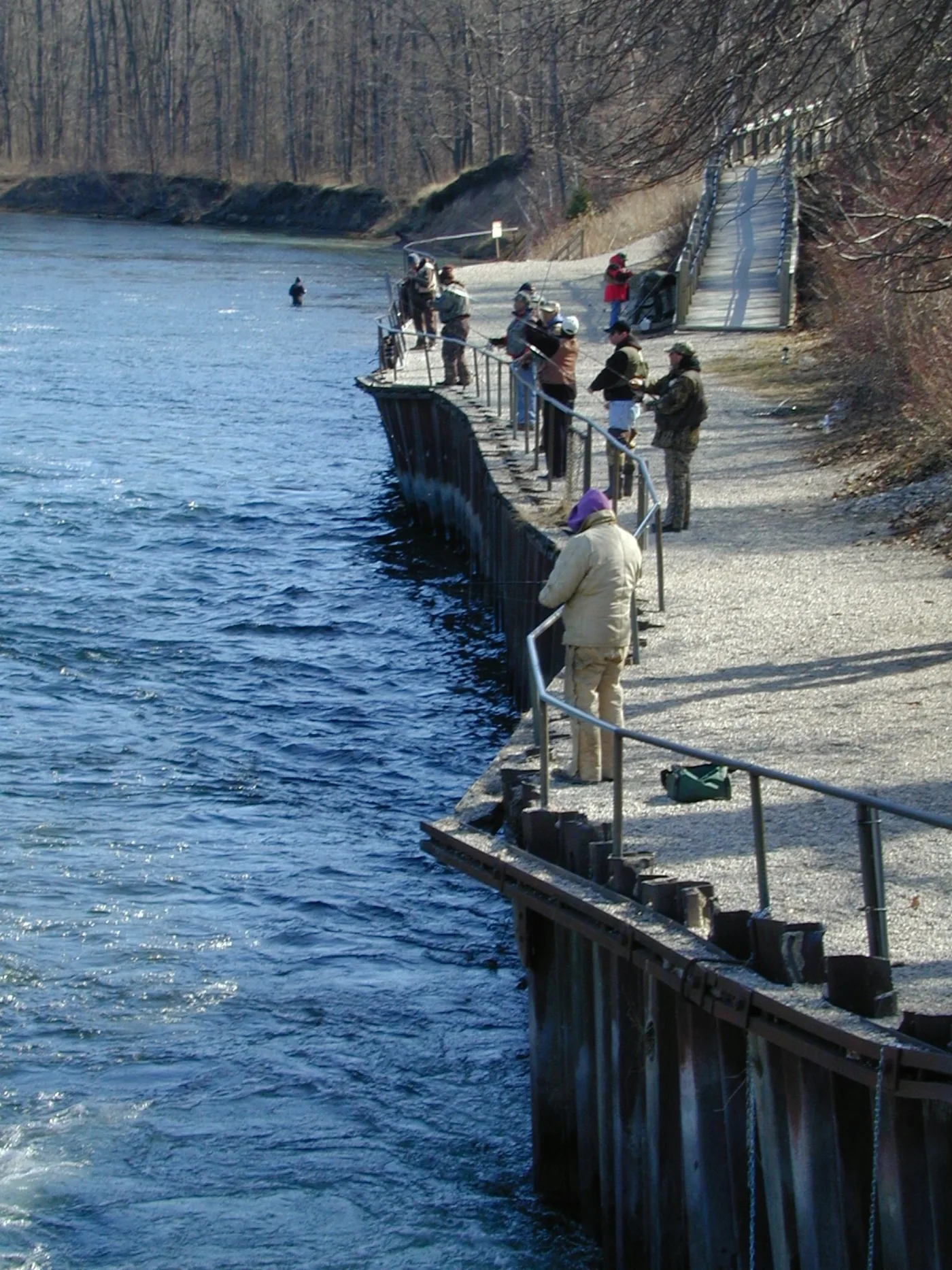
If you're staying near the coast, the lower Au Sable below Foote Dam is your home water. Foote is the lowest dam on the river, which means it stops migrating fish in their tracks. Steelhead and salmon stack up in the river below it, and that concentration makes the tailwater and the Foote Site boat launch one of Michigan's better-known steelhead spots. You can fish from a boat on the no-wake run down toward the lake, or work the developed shore-fishing area right below the dam.
The lower river fishes on a seasonal clock. Chinook and coho salmon push up in the fall, roughly September into October. Steelhead follow the salmon and hold through the colder months, with a strong spring run in March and April. Resident brown trout and walleye round out the mix. Bring heavier gear than you'd use upstream — this is bigger, harder-pulling water.
The river mouth at Oscoda
Right in Oscoda, the Au Sable spills into Lake Huron, and that meeting point is a fishery of its own. This is where salmon, steelhead and walleye enter the river from the big lake, staging before they run upstream. There's a public DNR boat launch plus pier and shore access at the harbor, so you don't need a boat to get in on it. Fall is prime, when salmon gather off the mouth before moving up, but spring brings steelhead and walleye within reach of the piers too.
The mouth is the most beginner-friendly stretch of the whole river. You can fish from solid footing, the access is easy, and you're a short drive from where you're sleeping.
The Holy Waters: fly fishing above Grayling
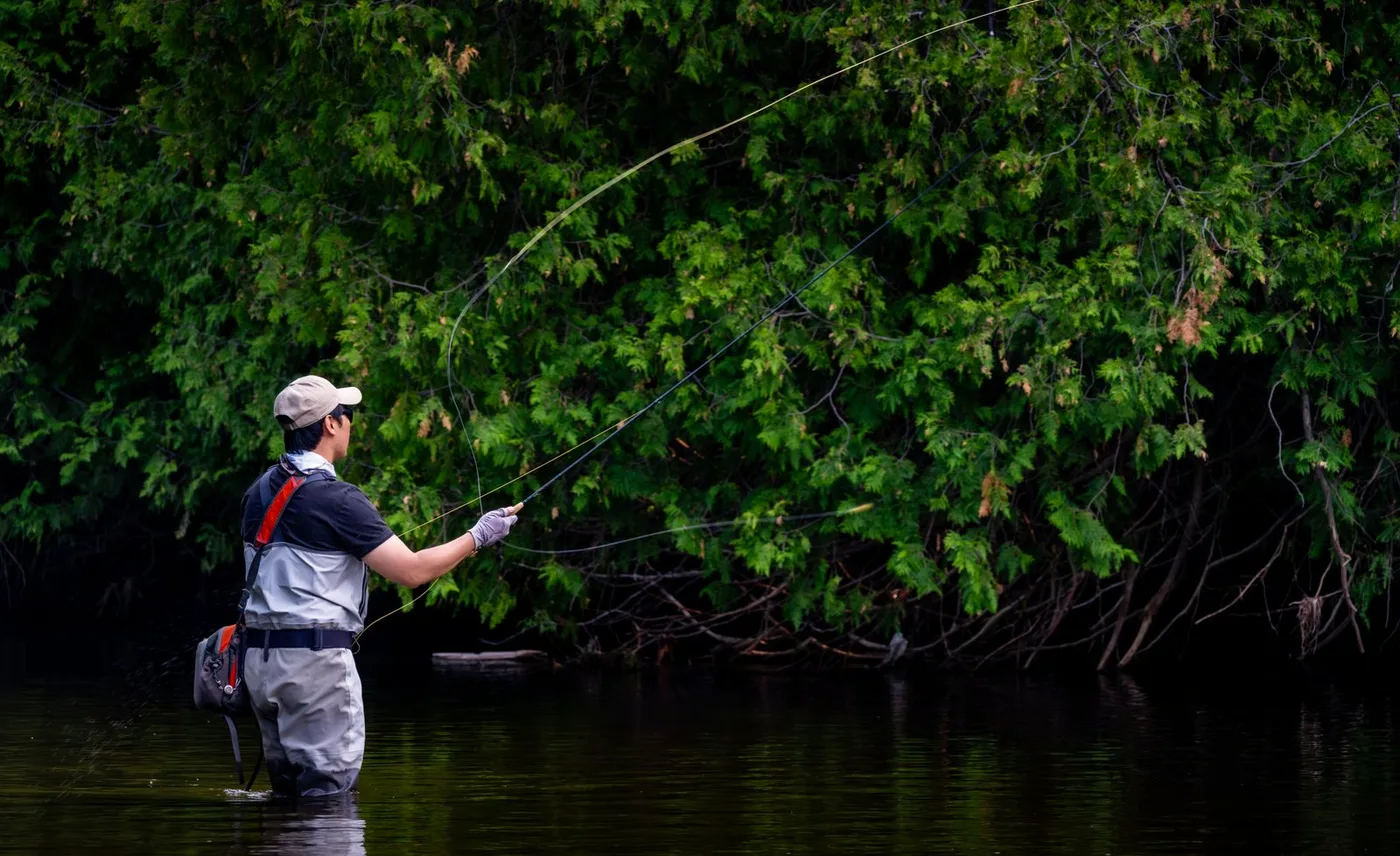
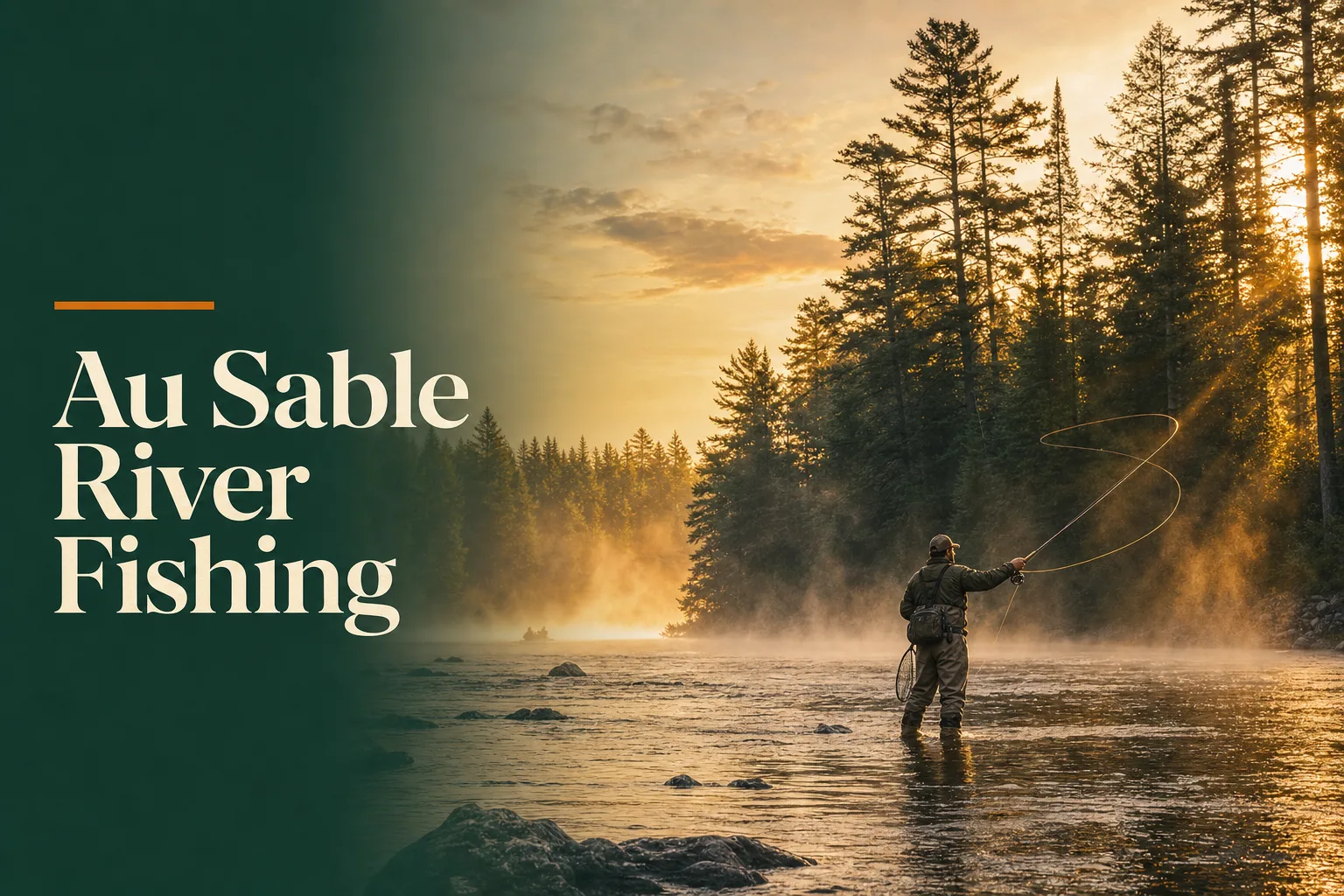
No Au Sable guide is complete without the Holy Waters, the river's most famous reach. This is a roughly nine-mile, flies-only, catch-and-release stretch running from Burton's Landing down to Wakeley Bridge, just below Grayling. It's quiet, gravel-bottomed water full of wild brown, brook and rainbow trout, and it's best known for its mayfly hatches. The legendary Hex hatch in late June and early July draws fly anglers from all over the country.
The Holy Waters sits well upstream of Oscoda, closer to Grayling, so it's a day trip rather than a doorstep fishery if you're based on the coast. But for a fly angler, it's worth the drive. This is the water the river's reputation was built on, and it's where conservation group Trout Unlimited was founded in 1959.
Mio Pond and the Trophy Waters
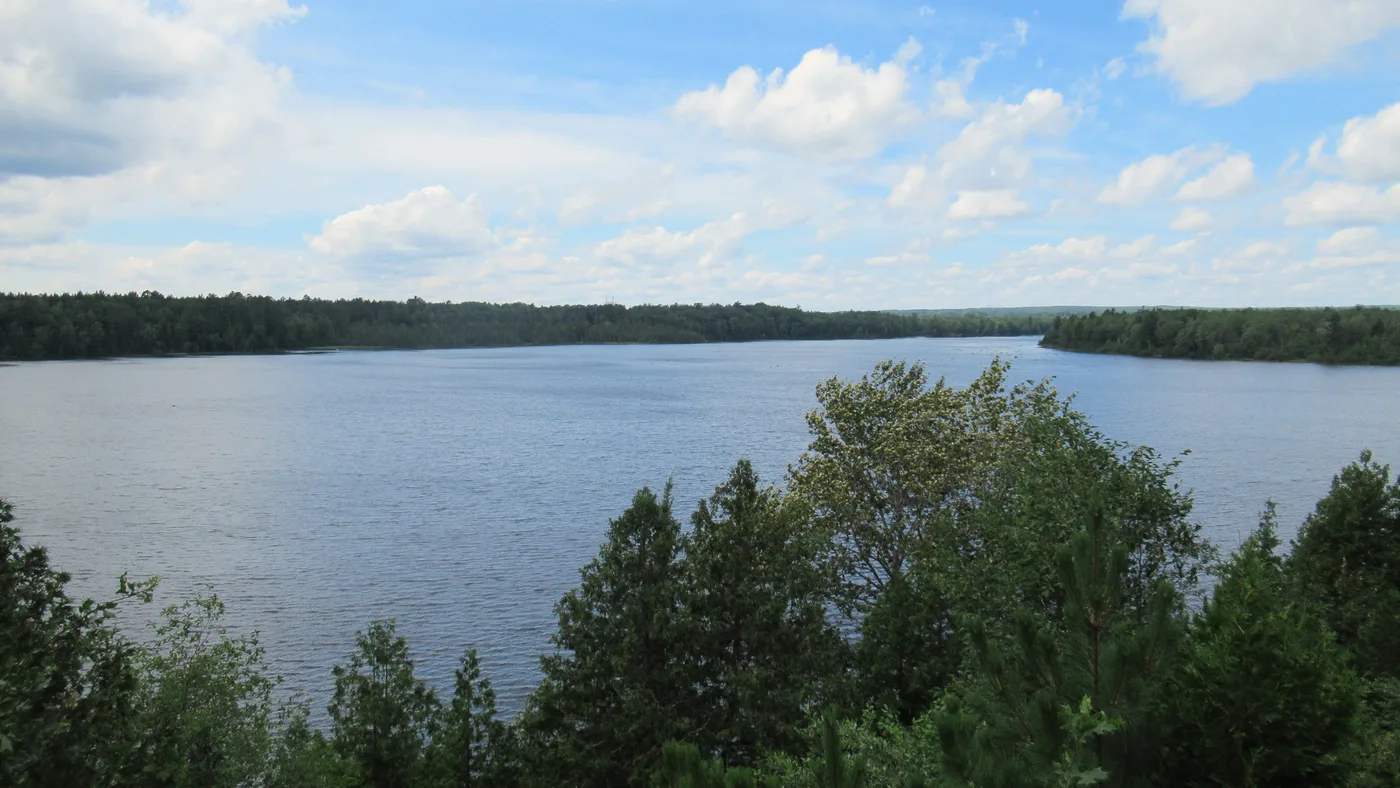
Between the upper and lower river, Mio Dam backs the Au Sable up into Mio Pond and marks the head of the so-called Trophy Waters, a special-regulation section running downstream toward McKinley that's managed for large resident trout. The tailwater below the dam holds genuinely big browns, and there's a boat ramp on the pond itself. Like the Holy Waters, Mio is upstream of Oscoda, but it's a logical stop if you're working your way along the river or chasing a wall-hanger brown.
Au Sable fishing by season
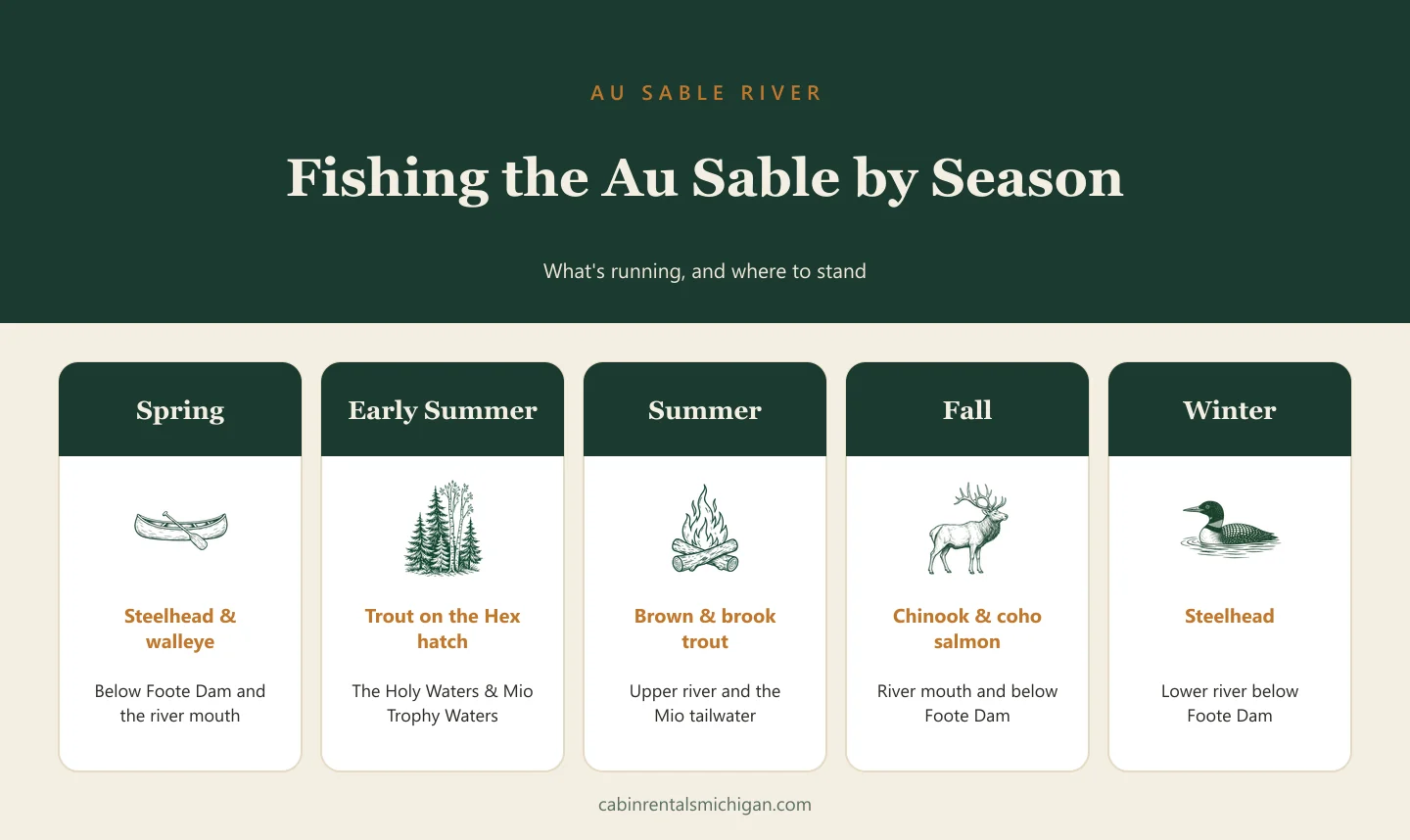
| Season | What's biting | Best stretch |
|---|---|---|
| Spring (Mar–May) | Steelhead, walleye | Below Foote Dam, the river mouth |
| Early summer (Jun–Jul) | Trout on the Hex hatch | The Holy Waters, Mio Trophy Waters |
| Summer (Jul–Aug) | Resident brown & brook trout | Upper river, Mio tailwater |
| Fall (Sep–Oct) | Chinook & coho salmon | River mouth, below Foote Dam |
| Late fall & winter | Steelhead | Lower river below Foote Dam |
Licenses, gear and regulations
Everyone 17 and older needs a Michigan fishing license, available online from the DNR or from local bait shops. Beyond that, the Au Sable carries section-specific rules that you must check before you fish: the Holy Waters is flies-only and catch-and-release, the Mio Trophy Waters is restricted to artificial lures with strict size and harvest limits, and the lower river has its own seasonal rules for salmon and steelhead. The rules change by stretch and by species, so read the current DNR digest rather than assuming the river fishes the same end to end.
Where to stay: Oscoda riverside cabins
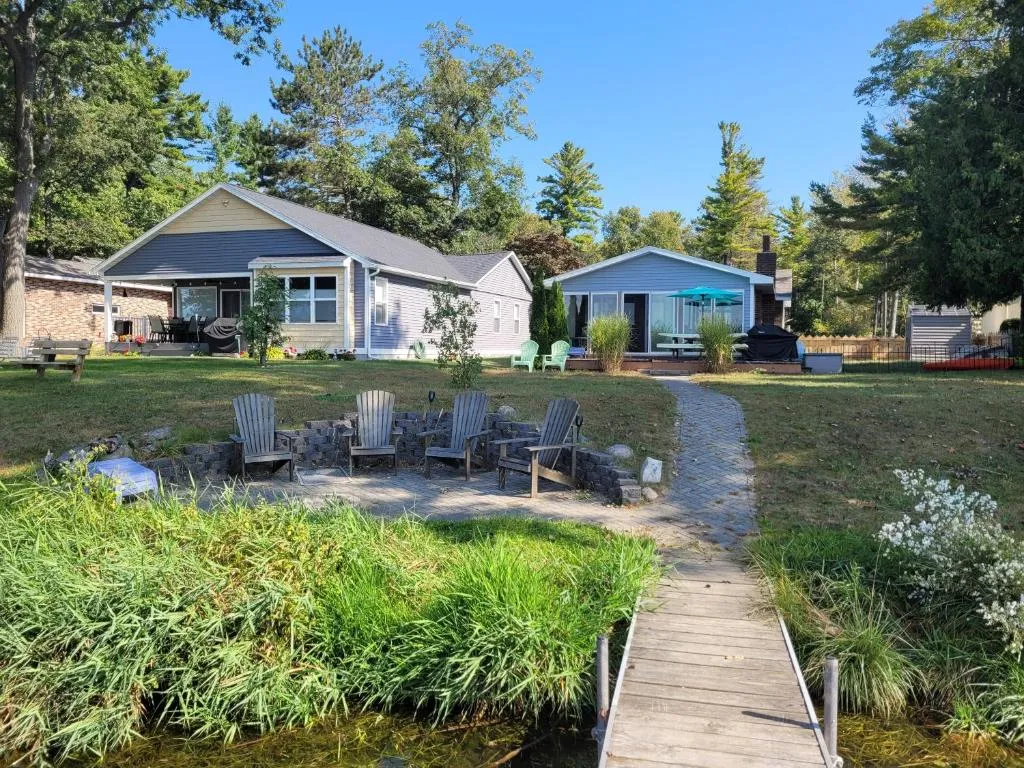
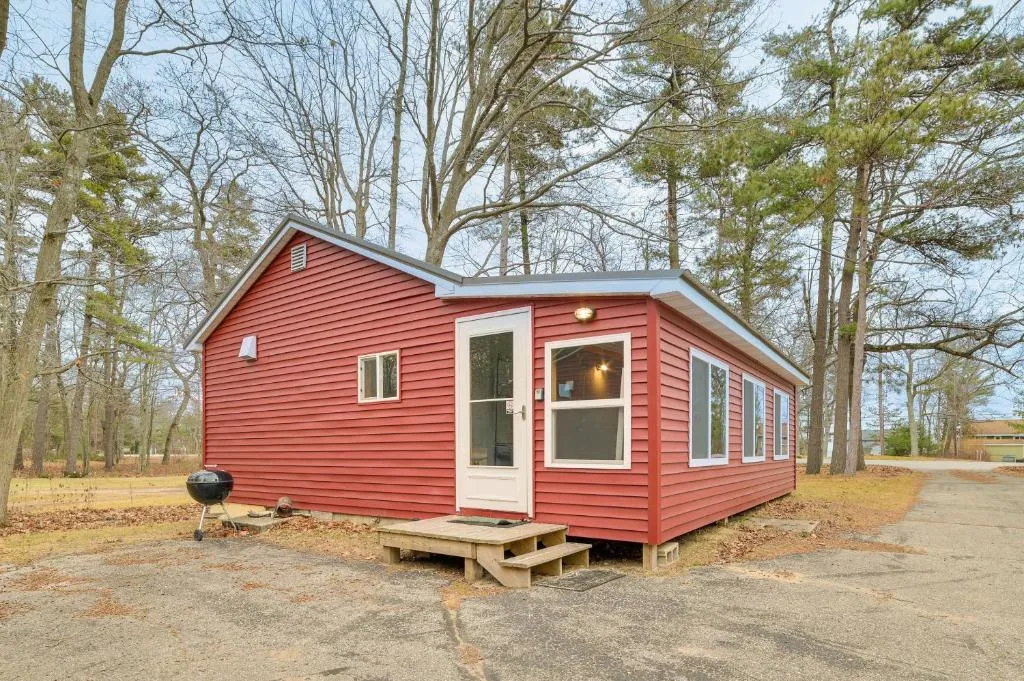
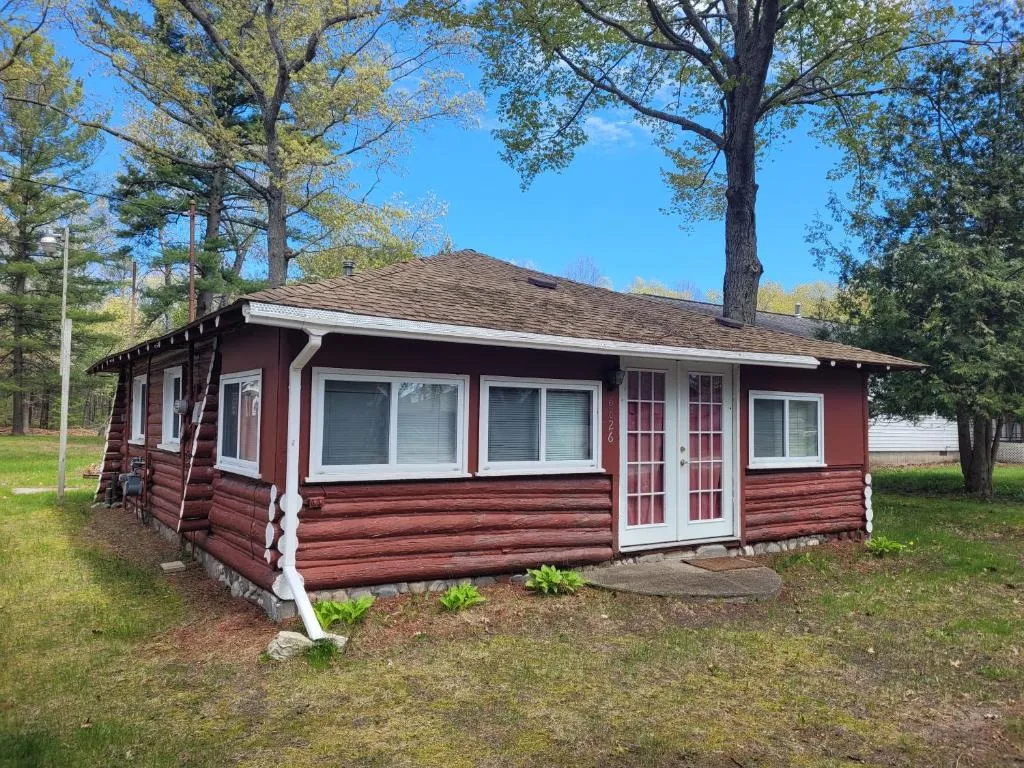
The easiest way to fish the lower Au Sable and the Lake Huron mouth is to wake up close to the water. Oscoda riverside cabins put you minutes from the harbor, the river-mouth piers and the Foote Dam access, so you can be on the water at first light and back for a hot lunch. A cabin also gives you somewhere to clean your catch, dry your waders and spread out the maps for tomorrow's plan.
Find your Au Sable fishing base
Browse cabin-style rentals in Oscoda, close to the river mouth, the piers and the lower-river launches.
See Oscoda cabinsAu Sable River fishing FAQ
Where is the best place to fish on the Au Sable River?
The lower river near Oscoda is hard to beat, especially below Foote Dam, the last of six dams and about seven miles from the Lake Huron mouth, where migrating salmon and steelhead stack up.
What fish are in the Au Sable River?
The Au Sable holds brown, brook and rainbow trout year-round, plus runs of steelhead, Chinook and coho salmon, and walleye in the lower river. The water below Foote Dam near Oscoda sees the strongest migratory action.
Is the Au Sable River fly fishing only?
Not the whole river. The famous Holy Waters, a roughly nine-mile stretch near Grayling, is flies-only and catch-and-release. Downstream toward Oscoda and below Foote Dam, conventional tackle is widely used for salmon and steelhead.
Are there salmon in the Au Sable River?
Yes. Chinook and coho salmon run up the lower Au Sable from Lake Huron, typically September through October, with the stretch below Foote Dam near Oscoda being a prime spot to intercept them.
What time of year is best for salmon fishing in Michigan?
Salmon run strongest in fall, roughly September through October, as mature fish push in from the Great Lakes to spawn. On the Au Sable, target the lower river below Foote Dam during this window.
How do you fish the Au Sable River?
Match the season: fly fishing for trout on the upper Holy Waters, and drifting or casting for steelhead and salmon below Foote Dam near Oscoda. A Michigan fishing license is required for anyone aged 17 and up.
Sources
- Au Sable River (Michigan), Wikipedia — river length, the six Consumers Energy dams, and Foote Dam as the farthest-downstream dam.
- Trout Unlimited, Our History — TU founded on the Au Sable near Grayling in 1959.
- AuSable River, Oscoda, Michigan — Blue Ribbon trout stream and Foote Dam-to-Lake Huron fishing access.