
Quick Navigation
- The Dune Climb: The One Everybody Knows
- The Best Trails for the View Without the Suffering
- Sleeping Bear Dunes Trails at a Glance
- Drive It: The Pierce Stocking Scenic Drive
- When to Go and What to Pack
- Where to Stay Near the Dunes
- Stay minutes from the trailheads
- Frequently Asked Questions
- How long does it take to hike the Sleeping Bear dunes?
- What is the best trail at Sleeping Bear Dunes?
- Is it hard to climb Sleeping Bear Dunes?
- Do you need a pass to hike Sleeping Bear Dunes?
- How far is Sleeping Bear Dunes from Traverse City?
- Are dogs allowed at Sleeping Bear Dunes?
- Sources
Sleeping Bear Dunes hiking is the headline reason a lot of people drive Up North in the first place, and it lives up to the hype. Sleeping Bear Dunes National Lakeshore stacks 450-foot sand bluffs against the blue of Lake Michigan, then threads 13 mainland trails through the beech-maple forest, old farm meadows, and open dune behind them. You can earn a Lake Michigan overlook in under an hour or commit to a leg-burning march down to the water and back. This guide walks through the best trails, how hard each one really is, and the practical tips that make the day go smoothly.
The lakeshore sits about 40 minutes (roughly 30 miles) west of downtown Traverse City, with the gateway village of Glen Arbor right in the middle of the action. That makes it an easy day trip, or an even easier morning if you base yourself out near the dunes.
The Dune Climb: The One Everybody Knows
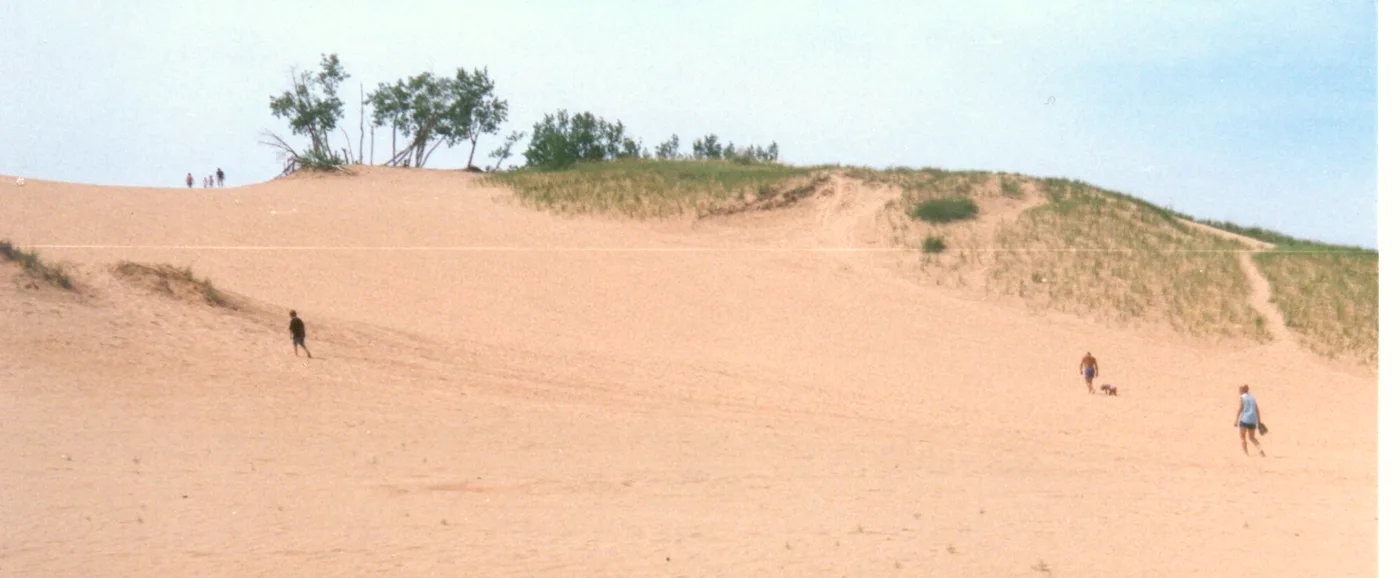
The Dune Climb is the postcard. A steep wall of sand rises straight up from the parking area off M-109, and the simple act of scrambling to the top is the single most popular thing to do in the park. Most families climb partway, take in the view over Glen Lake, and slide back down. If you keep going over the crest, you are on the Dunes Trail proper, which runs about 2 miles of soft sand to the Lake Michigan shore.
Be honest with yourself before you commit to the full crossing. The round trip to the water and back is a hot, exhausting three to four hour effort with no shade and deep sand the whole way. Wonderful if you are ready for it, miserable if you wandered out in flip-flops on a whim.
Carry far more water than feels necessary and wear real shoes. The sand radiates heat on a sunny afternoon, and the climb back from Lake Michigan is the hardest part of the whole hike. Mornings are cooler and far less crowded.
The Best Trails for the View Without the Suffering
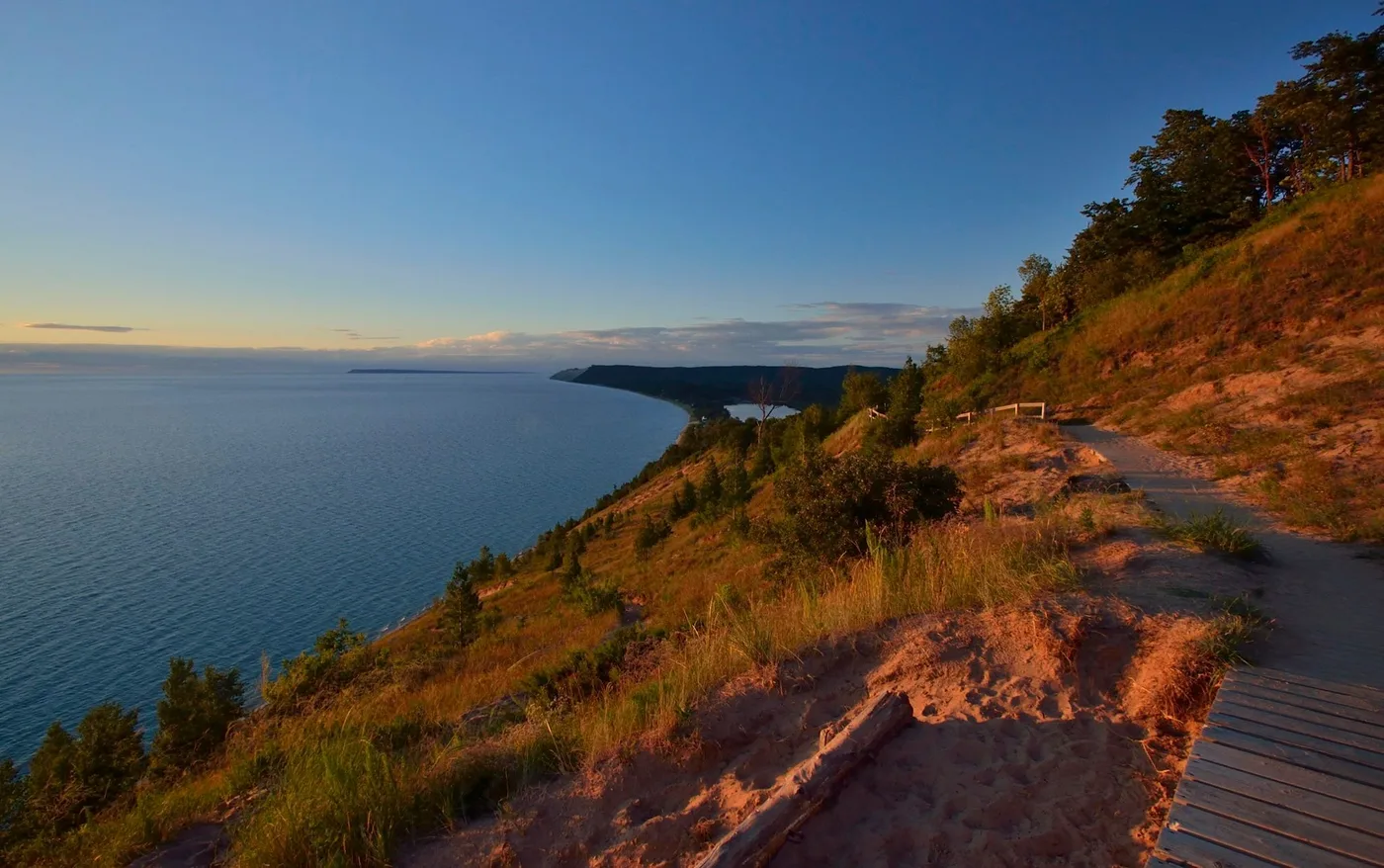
If a three-hour sand slog is not your idea of a vacation, the park's forest-and-bluff trails deliver the famous double-dune view for a fraction of the effort. Two stand out for first-timers.
The Empire Bluff Trail is the crowd favorite for good reason. It runs just 1.5 miles round trip, climbing through a wildflower-filled beech-maple forest to a boardwalk and observation deck perched on a high coastal bluff. The payoff is the iconic overlook of Lake Michigan and a long stretch of the lakeshore. It is rated moderate, and most people manage it comfortably in under an hour.
The Pyramid Point Trail trades a little more distance for a dramatic, vertigo-inducing perch above the water. The loop runs up to about 2.7 miles through old farm fields and century-old forest before opening onto the high bluff at Pyramid Point, a launch spot you may see hang gliders using on a good-wind day.
Watch: a tour of the Sleeping Bear Dunes hiking trails
A regional look at the trails and overlooks before you lace up.
Sleeping Bear Dunes Trails at a Glance
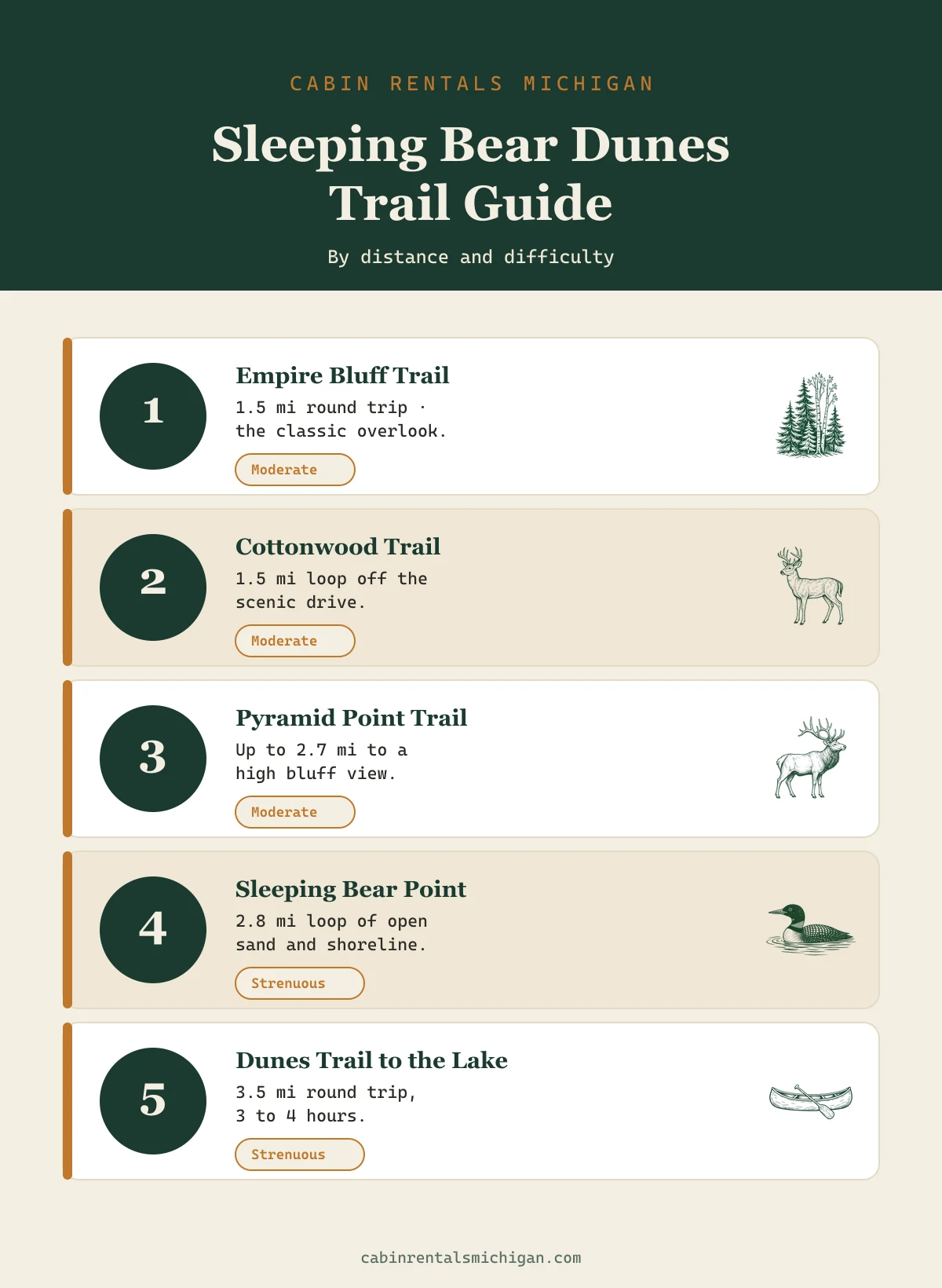
Here is how the headline trails compare so you can match one to your group's legs and the time you have.
| Trail | Distance | Difficulty | Best for |
|---|---|---|---|
| Empire Bluff Trail | 1.5 mi round trip | Moderate | The classic Lake Michigan overlook, fast |
| Cottonwood Trail | 1.5 mi loop | Moderate | Open dune scenery off the scenic drive |
| Pyramid Point Trail | Up to 2.7 mi | Moderate | High bluff views and meadows |
| Sleeping Bear Point Trail | 2.8 mi loop | Strenuous | Open sand and shoreline, fewer crowds |
| Dunes Trail to Lake Michigan | 3.5 mi round trip | Strenuous | The full sand crossing to the water |
Drive It: The Pierce Stocking Scenic Drive
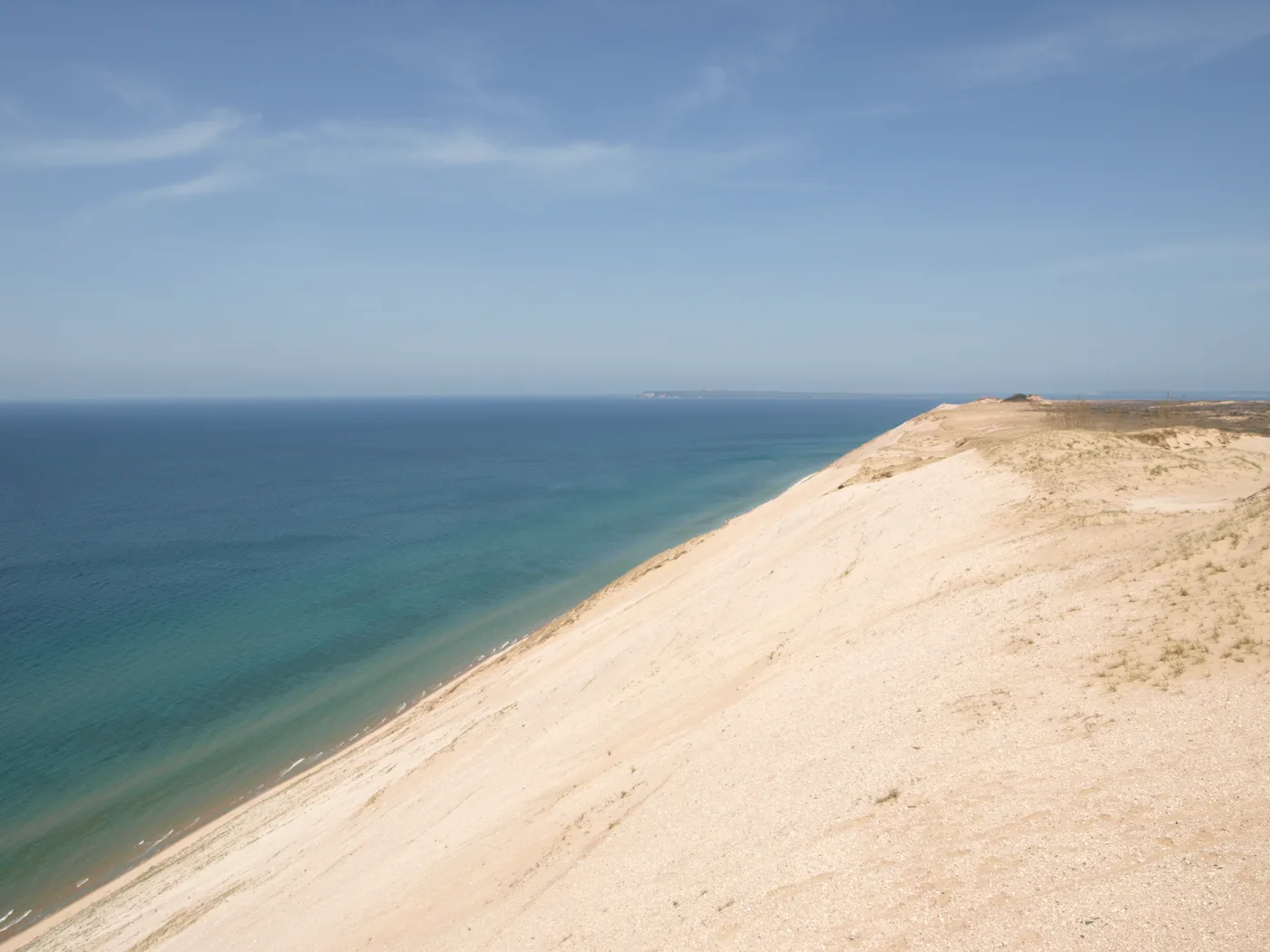
Not every great view at Sleeping Bear has to be earned on foot. The Pierce Stocking Scenic Drive is a 7.4-mile one-way loop with twelve marked stops, winding up the backside of the dunes through the forest to a series of overlooks. The Lake Michigan Overlook is the showstopper, a railed platform high above the water where you can see the sand drop away hundreds of feet to the lake below.
Several stops have short walking paths, including the Cottonwood Trail, a moderate 1.5-mile loop through open dune that is a lovely add-on if you have the time. The drive is a smart move for families with small kids, anyone short on time, or a rainy-ish day when a long sand hike loses its appeal.
A park pass is required for all trail use and to drive the scenic loop. A private-vehicle pass is $25 and covers everyone in the car for seven days; an annual Sleeping Bear pass is $45. The America the Beautiful pass works too. The park is cashless, so bring a card or pay ahead on Recreation.gov.
When to Go and What to Pack
Summer brings the warmest water and the liveliest beach scene, but it also brings the crowds. Parking at the Dune Climb fills by late morning on July and August weekends, so an early start pays off. September is arguably the sweet spot: the bugs fade, the light turns golden, and the same trails get a lot quieter. October adds fall color through the beech-maple woods.
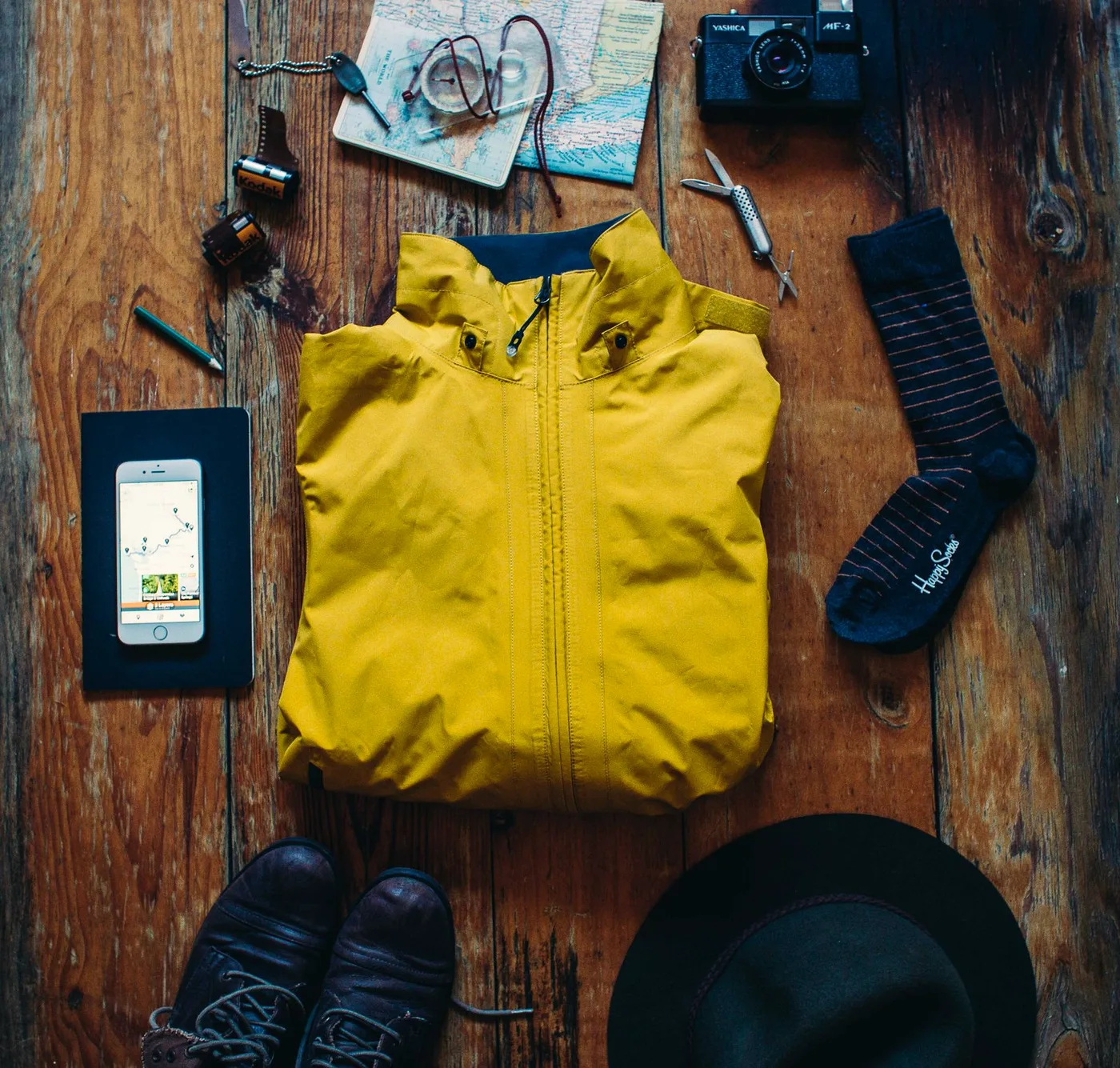
For any trail here, pack sturdy closed-toe shoes, sunscreen, and more water than you think you need. There is very little shade on the open dune, and sandals turn the soft sand into a chore. A light layer helps on the bluff trails, where the wind off Lake Michigan can be brisk even on a warm day.
Pets are not allowed on the Dune Climb or the open dune trails at any time of year. If you are traveling with the dog, stick to the dog-friendly stretches of the Sleeping Bear Heritage Trail and pet-welcoming beaches instead, and plan a person to stay back during the big climbs.

Where to Stay Near the Dunes
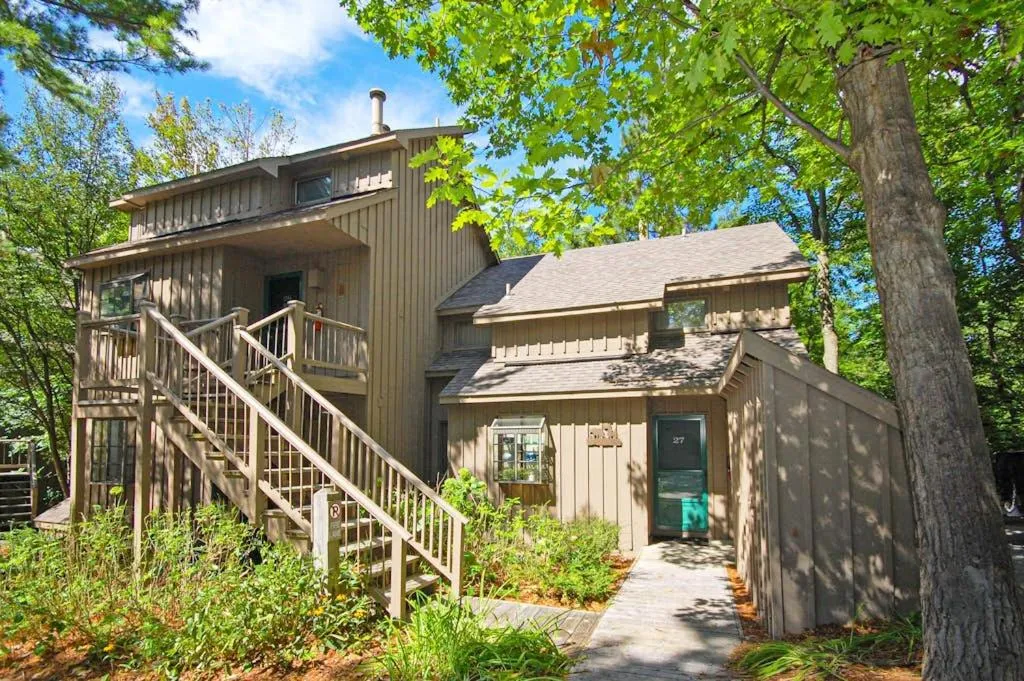
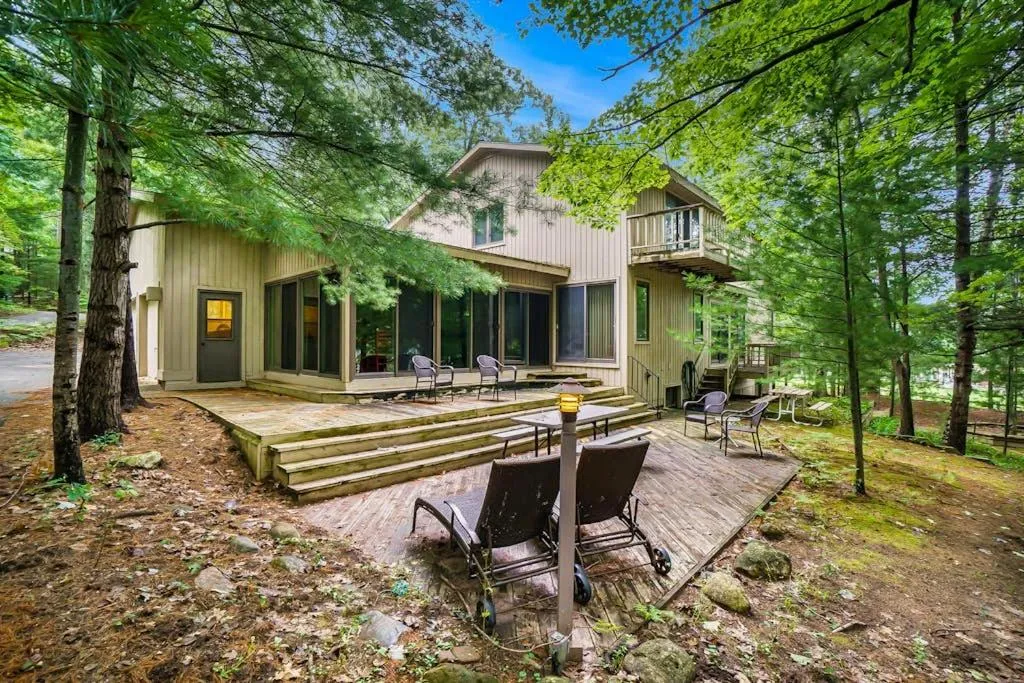
The easiest way to beat the parking rush is to wake up close to the trailheads. Glen Arbor sits minutes from the Dune Climb, the scenic drive, and the village's own beaches, so you can be laced up and on the sand before the day-trippers arrive from town. A cabin also gives you room to spread out, cook after a long hike, and keep the woods right outside the door.
Stay minutes from the trailheads
Wooded cabins in the gateway village, all deep-linked to live availability on Booking.com.
Browse Glen Arbor cabins by the dunesPlanning to split your week between the bay and the lakeshore? Our local guide to Traverse City pairs naturally with a dunes day, and the rest of our Northern Michigan outdoor guides can fill in the hikes, paddles, and rides around it.
Frequently Asked Questions
How long does it take to hike the Sleeping Bear dunes?
A casual climb to the top of the Dune Climb takes 20 to 40 minutes round trip. The full Dunes Trail crossing to Lake Michigan and back is a far bigger commitment, typically three to four hours of strenuous hiking in soft, shadeless sand.
What is the best trail at Sleeping Bear Dunes?
For most visitors the Empire Bluff Trail is the best pick. At 1.5 miles round trip it delivers the park's signature double-dune view over Lake Michigan from a boardwalk overlook, with far less effort than the open-sand Dunes Trail.
Is it hard to climb Sleeping Bear Dunes?
The first climb from the parking lot is short but steep, and the loose sand makes it more tiring than it looks. Reaching the top for the Glen Lake view is doable for most. Continuing all the way to Lake Michigan is rated strenuous and should not be attempted casually.
Do you need a pass to hike Sleeping Bear Dunes?
Yes. A park pass is required for all trail use within the national lakeshore. A private-vehicle pass costs $25 and is valid for seven days, an individual on-foot pass is $15, and an annual pass is $45. The park is cashless.
How far is Sleeping Bear Dunes from Traverse City?
Sleeping Bear Dunes National Lakeshore is about 40 minutes, or roughly 30 miles, west of downtown Traverse City. The gateway village of Glen Arbor sits right beside the dunes, making it an easy day trip or an even shorter morning from a nearby cabin.
Are dogs allowed at Sleeping Bear Dunes?
Dogs are not permitted on the Dune Climb or the open dune trails at any time of year. They are welcome on parts of the paved Sleeping Bear Heritage Trail and on designated pet-friendly beaches, so check the park map before you bring the dog along.
Sources
- National Park Service — Sleeping Bear Dunes hiking trails & distances
- National Park Service — park entrance passes & fees
- National Park Service — Empire Bluff Trail overview