
Quick Navigation
- When fall color peaks at Sleeping Bear Dunes
- Pierce Stocking Scenic Drive: the 7.4-mile loop
- Empire Bluff Trail: a short climb to the best view
- M-22: the drive that ties it together
- Two more overlooks worth the detour
- What it costs, and what closes when
- Where to stay for peak color
- Book a cabin for peak color week
- Common questions about Sleeping Bear Dunes fall color
- What is the best time to see fall colors in Michigan?
- Is Sleeping Bear Dunes open in October?
- Why is Pierce Stocking Scenic Drive closed?
- How long does it take to drive Pierce Stocking Scenic Drive?
- Is Pierce Stocking Scenic Drive worth it?
- Where should I stay to visit Sleeping Bear Dunes?
Sleeping Bear Dunes fall color is the reason a lot of people finally drive up the Leelanau Peninsula. The dunes are famous in July, but October is when the beech-maple forest behind them turns scarlet and gold and the crowds thin out. The catch is timing. Peak color here typically lands in mid-October, and the park's best-known scenic drive closes to cars at roughly the same moment. Get the week right and you get both.
When fall color peaks at Sleeping Bear Dunes
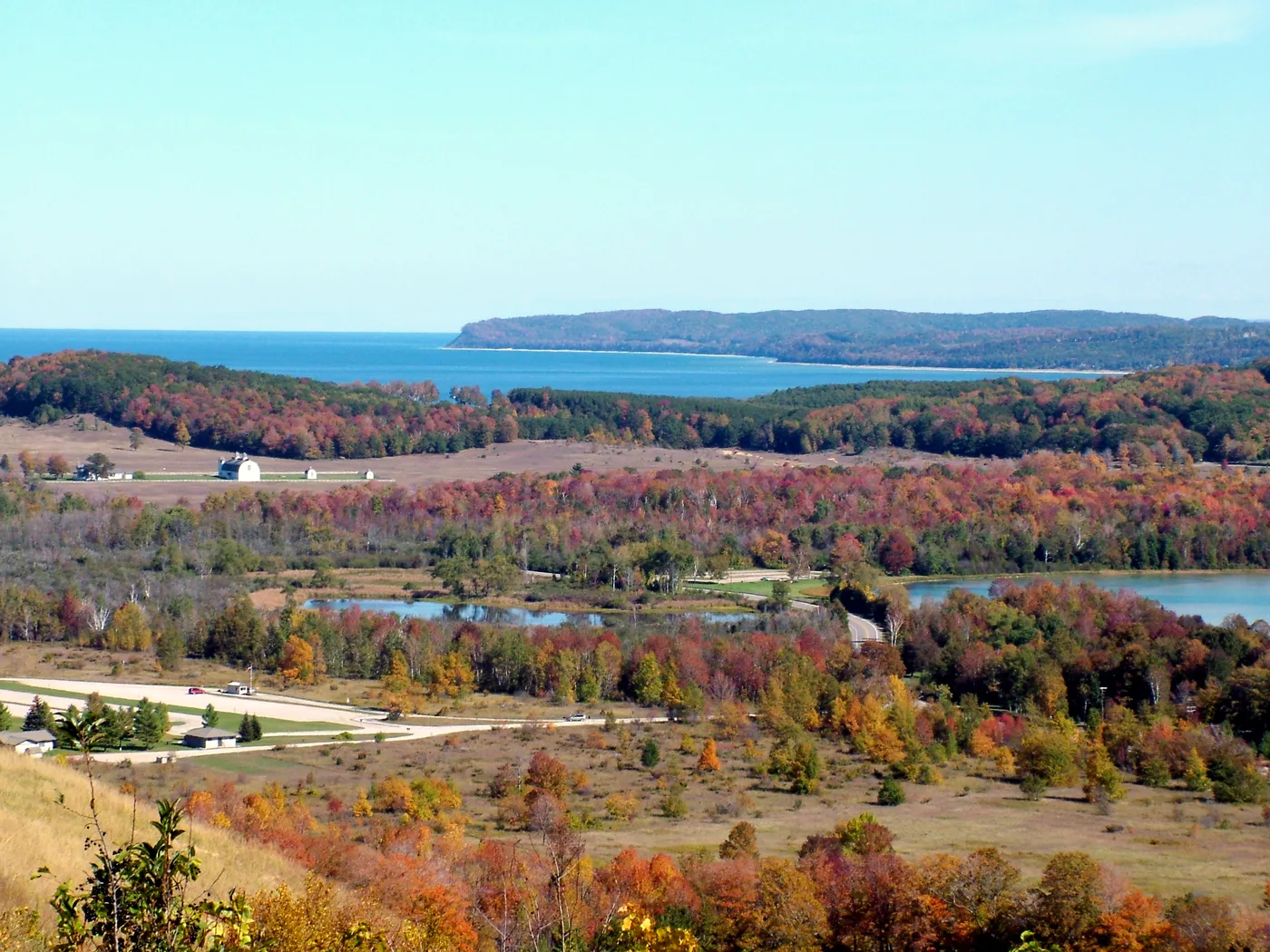
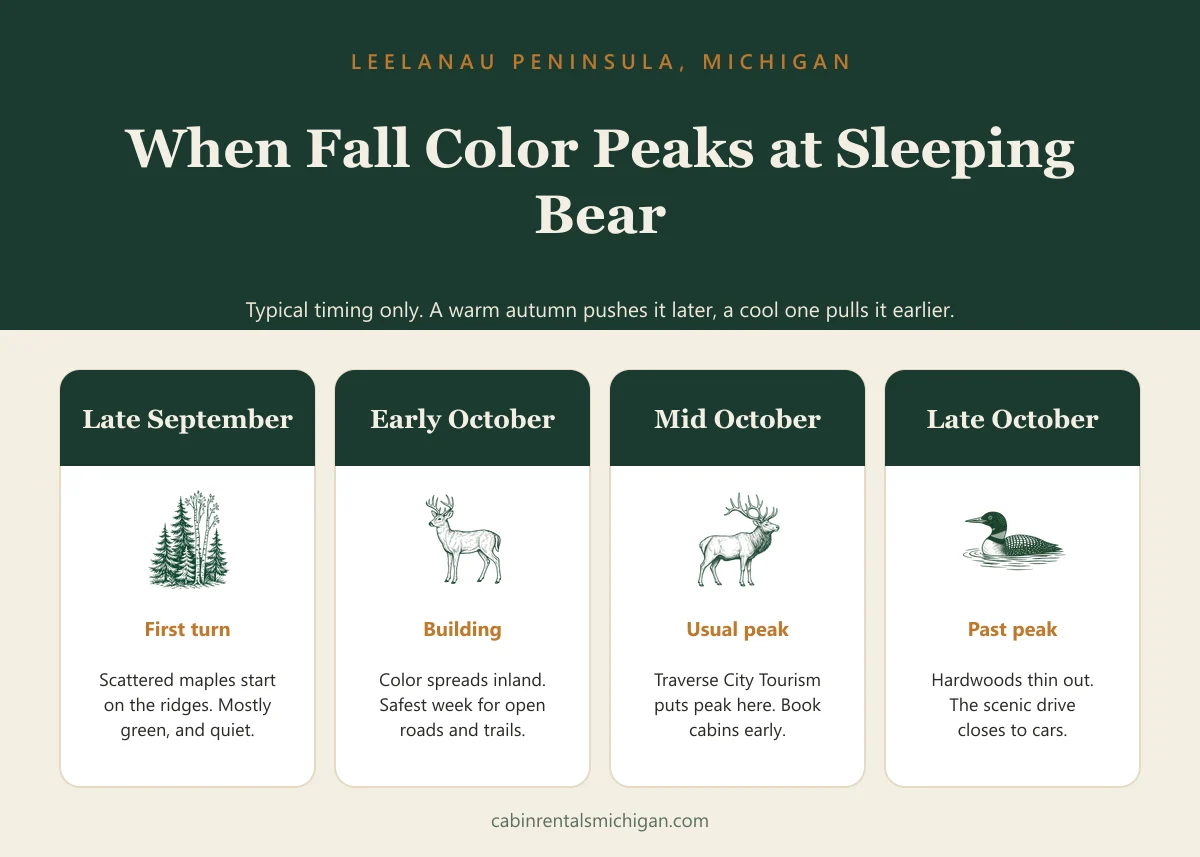
Traverse City Tourism puts the region's typical peak in mid-October, with the first changes showing as early as the beginning of September. Seasonal temperatures move that by weeks in either direction, so treat any date you read (including this one) as a starting point rather than a promise.
One local quirk is worth planning around. Because the shoreline runs cooler than the country behind it, trees nearest the lake tend to peak before those further inland. If the forecast has been mild and the inland woods still look green, the bluffs and the shoreline stretches are usually the better bet that week.
If you want a wider net across the region, our guide to Northern Michigan fall color tours covers the routes east and south of here that peak on a slightly different schedule.
Go midweek if you possibly can. The Leelanau Peninsula is a day trip from Traverse City, so mid-October weekends put a queue at every overlook pull-off. A Tuesday morning at the same spot can be close to empty.
Pierce Stocking Scenic Drive: the 7.4-mile loop
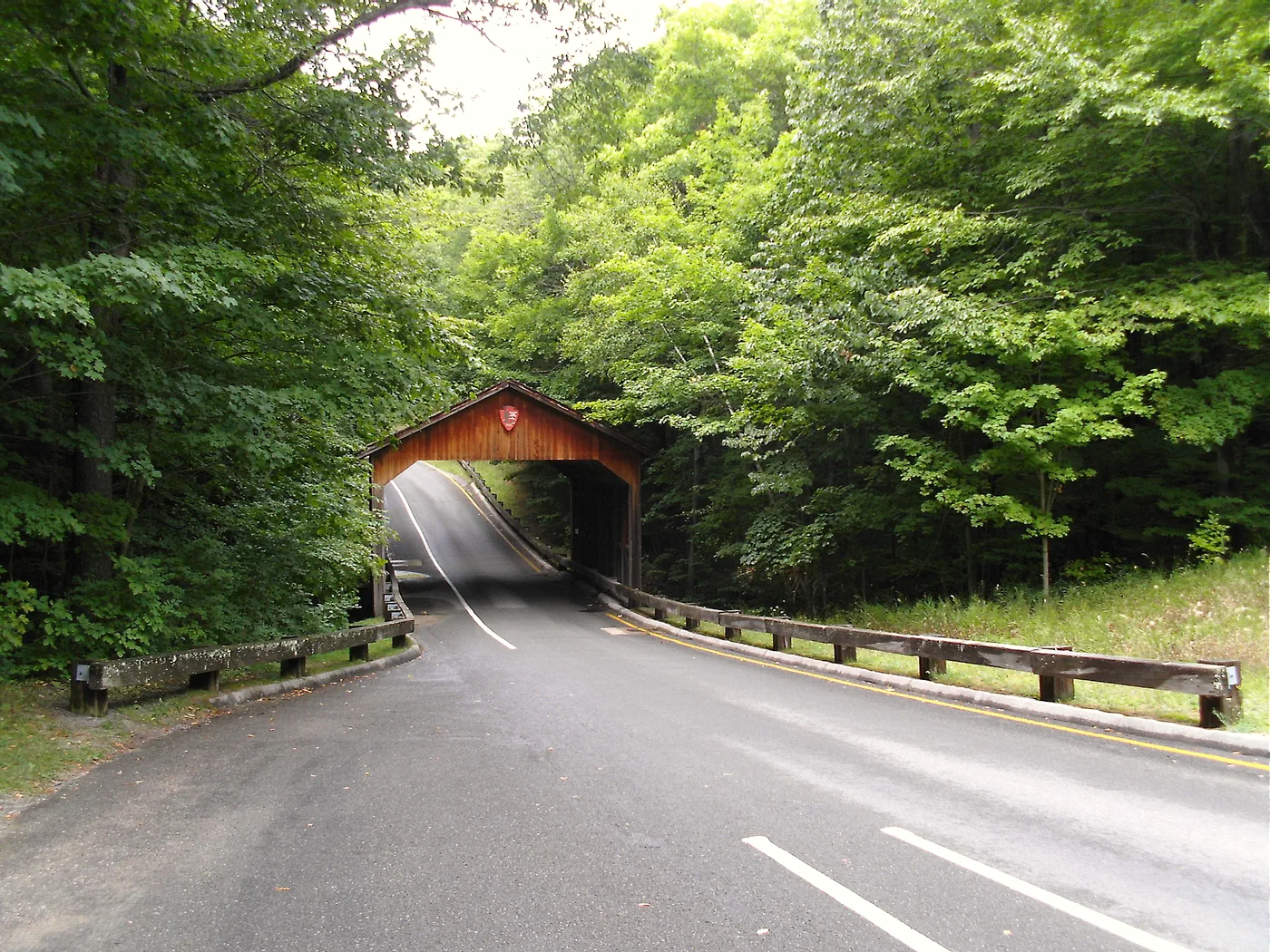
This is the classic fall color drive in the park, and for good reason. The Pierce Stocking Scenic Drive is a 7.4-mile one-way loop with twelve numbered stops, threading through the beech-maple forest that does most of the color work before it climbs out onto the dunes. The National Park Service reckons about two hours if you stop at all twelve. That is a fair estimate in October, when you will stop more than you plan to.
Stop #9, the Lake Michigan Overlook, is the one people photograph. It stands 450 feet above the lake. On a clear day you can pick out Empire Bluffs four miles south, Platte Bay at nine, and Point Betsie at fifteen. The Wisconsin shoreline sits fifty-four miles across the water.
The drive is seasonal. The National Park Service opens it to vehicles generally from late May until late October, then closes it to cars for winter and spring while leaving it open on foot. Late October color and an open road do not always overlap, so check the park's conditions page before you commit to a date.
Empire Bluff Trail: a short climb to the best view
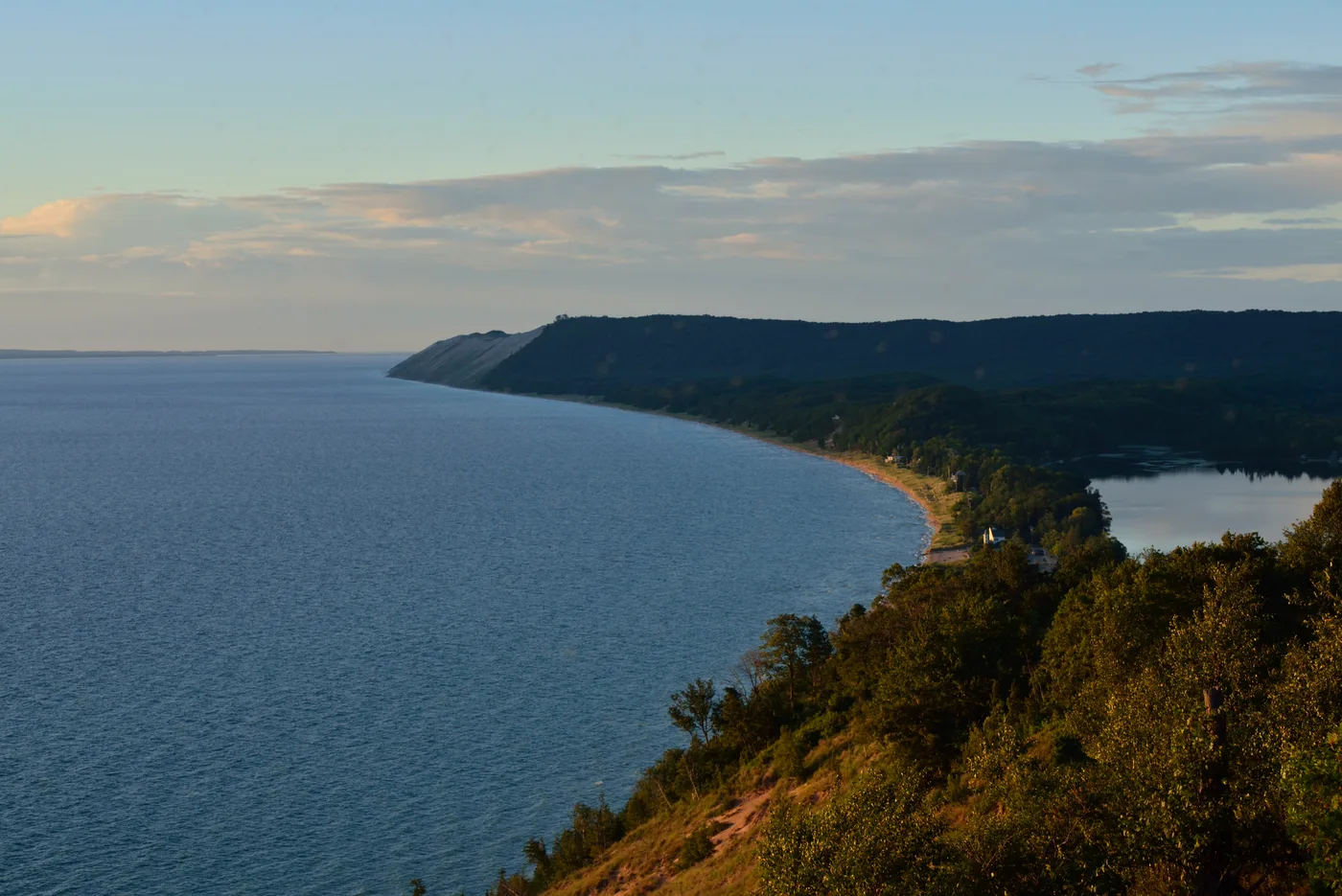
If you only have time for one walk, make it this one. The Empire Bluff Trail is a 1.5-mile round trip rated moderate, climbing through beech-maple forest before it opens abruptly onto a bluff above Lake Michigan. The forest section is the point in October. You spend most of the walk under the canopy that is actually doing the changing, then step out to the shoreline view.
It is a genuinely short hike, but the climb is steady rather than flat. For the longer routes in the same park, we have a fuller hiking guide to Sleeping Bear Dunes.
M-22: the drive that ties it together
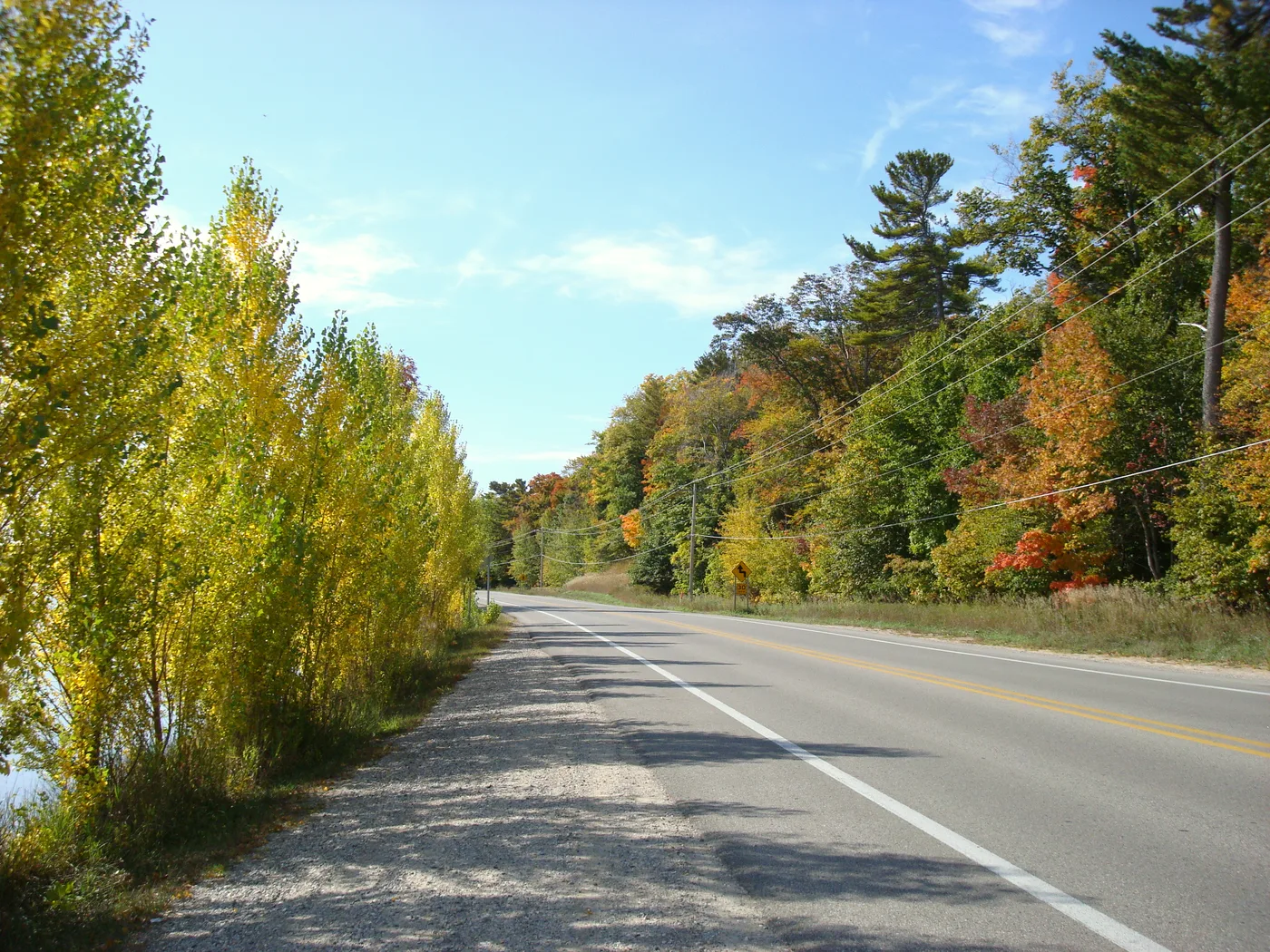
M-22 is the road the region puts on bumper stickers. It runs 116.7 miles along the Lake Michigan shoreline, and the northern section from the Benzie county line up to Traverse City has carried the Leelanau Scenic Heritage Route designation since 2002. It links Empire, Glen Arbor and the northern villages, which makes it the natural spine for a day of color.
The practical appeal in October is that M-22 costs nothing and never closes. When the scenic drive has shut for the season, this is still open, and the maples along it are the same maples.
Two more overlooks worth the detour
The Alligator Hill trails start near Glen Arbor and climb through beech-maple forest to benches looking out over Lake Michigan and the Manitou Islands. There is a 3-mile easy loop and two moderate loops of about 4.6 and 4.7 miles, plus a 1.6-mile spur along the ridge to the Glen Lake overlook. That spur is the one to take in color season, because it looks down over the Glen Lakes rather than out to open water.
The Dune Overlook at stop #3 on the scenic drive is the other easy win. It faces inland across Glen Lake instead of out to Lake Michigan, which means the whole view is hardwood forest rather than sand and water.
What it costs, and what closes when
Everything inside the national lakeshore needs an entrance pass, including the scenic drive and the trailheads. The park has been cashless since March 2023, so bring a card.
| Pass | Price | Notes |
|---|---|---|
| Vehicle, 7 days | $25 | The usual choice for a long weekend |
| Annual, this park | $45 | Worth it from a third visit onward |
| Motorcycle | $20 | Covers up to two machines |
| Per person, on foot or bike | $15 | Free for under-16s |
The one closure that catches people out is the Pierce Stocking Scenic Drive itself, open to cars only from around late May to late October. The trails, M-22 and the villages stay open all year.
Where to stay for peak color
Glen Arbor is the village inside the national lakeshore, which puts you minutes from the scenic drive entrance and the Alligator Hill trailheads rather than an hour out. It is small, and October fills it early, so book further ahead than you would in summer.
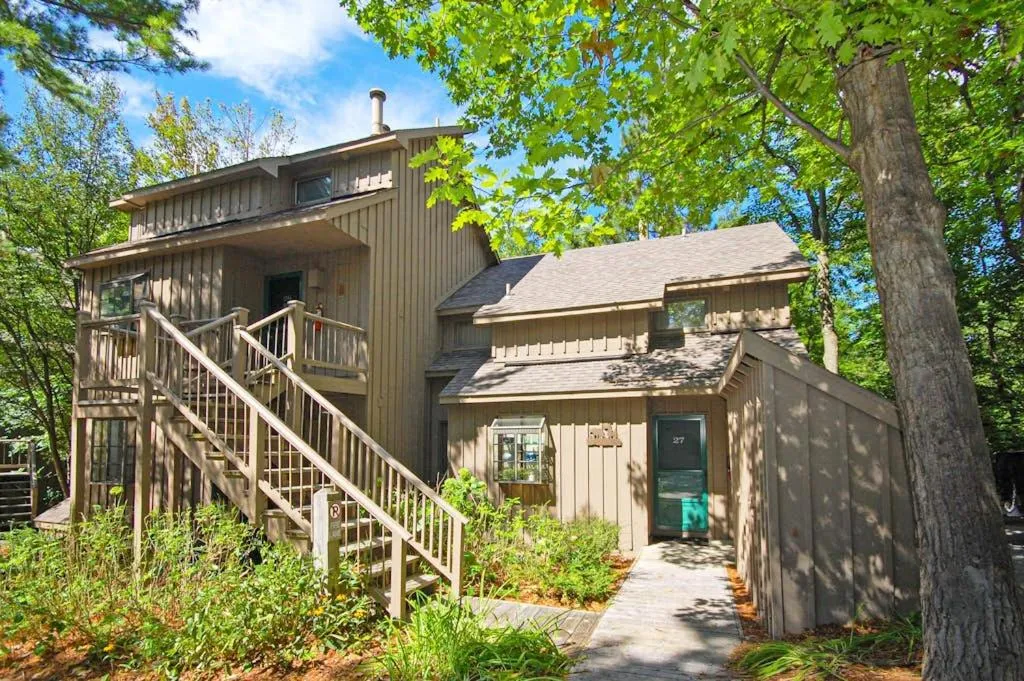
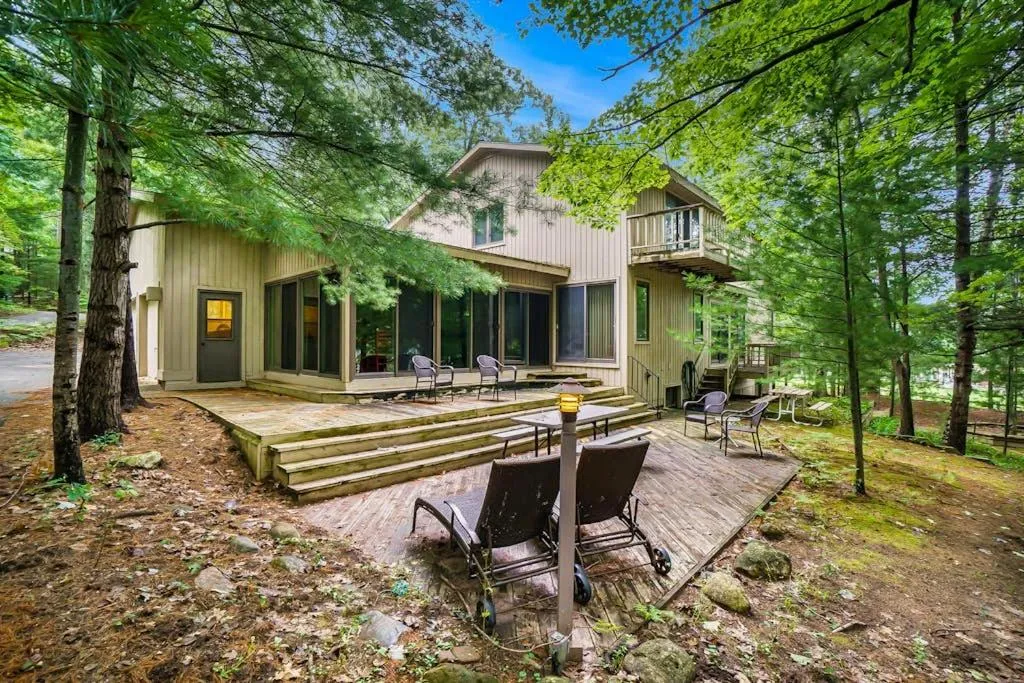
Glen Arbor's inventory is genuinely small. If those are gone, Traverse City is about forty minutes east with far more choice, and you can still be at the Empire Bluff trailhead before the light gets good. You can also browse everything we list in cabins in Glen Arbor to see what is free for your dates.
Book a cabin for peak color week
Cabins inside and around the national lakeshore, each deep-linked to live availability on Booking.com.
Browse Glen Arbor fall-color cabinsWatch: Our favorite stops on the Pierce Stocking Scenic Drive
MLive runs through the overlooks and pull-offs along the loop, which is a useful preview if you have never driven it.
Common questions about Sleeping Bear Dunes fall color
What is the best time to see fall colors in Michigan?
In the Traverse City and Leelanau area, mid-October is the typical peak, with first color from early September. Warm autumns run later and cool ones earlier, so the window shifts by a week or two each year.
Is Sleeping Bear Dunes open in October?
Yes. The national lakeshore, its trails and the villages are open year round. Only the Pierce Stocking Scenic Drive is seasonal, running to cars from about late May until late October.
Why is Pierce Stocking Scenic Drive closed?
It closes to vehicles for winter and spring, generally after late October. The road is not cleared or maintained for snow, but it stays open to walkers and skiers while cars are shut out.
How long does it take to drive Pierce Stocking Scenic Drive?
About two hours if you stop at all twelve numbered stops, per the National Park Service. The loop is only 7.4 miles and one-way, so the time goes on the overlooks rather than the driving.
Is Pierce Stocking Scenic Drive worth it?
In October, yes. It is the only route that reaches the Lake Michigan Overlook by car, 450 feet above the water. Outside color season and peak summer it is a pleasant but less remarkable forest drive.
Where should I stay to visit Sleeping Bear Dunes?
Glen Arbor sits inside the national lakeshore and is closest to the scenic drive and the trailheads. Traverse City is about forty minutes east with far more cabins, which matters in October when Glen Arbor books out.
- National Park Service — Pierce Stocking Scenic Drive: length, stops and season
- National Park Service — Lake Michigan Overlook (stop #9) height and sightlines
- National Park Service — Hiking trails, distances and difficulty
- National Park Service — Entrance passes and fees
- Traverse City Tourism — Fall color timing and scenic routes